


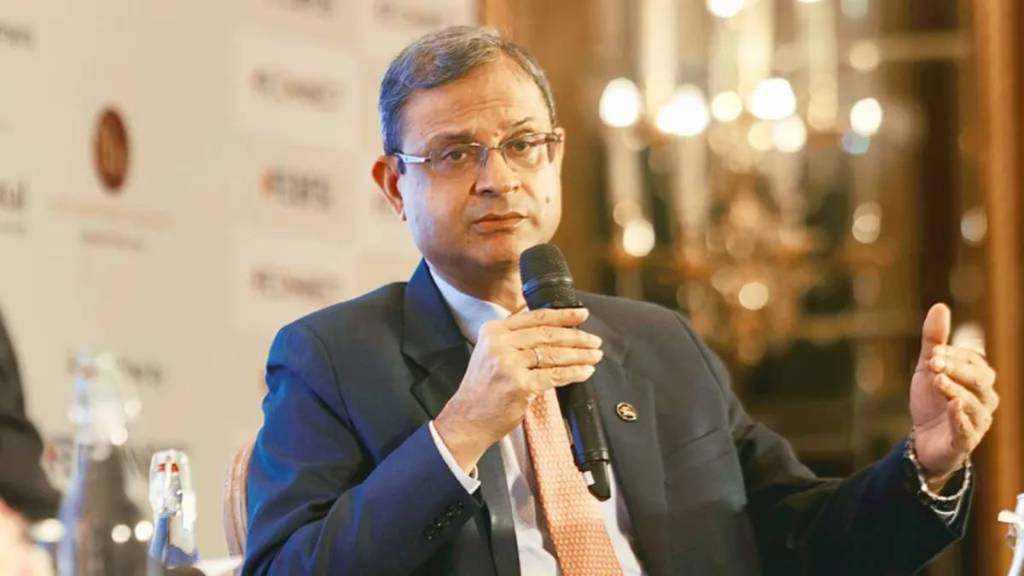

The Reserve Bank of India (RBI) tightened forex rules after finding that a large share of trades were being cancelled on the same day, with nearly one-third of transactions being closed on the day they were initiated, Governor Sanjay Malhotra told Moneycontrol in an interview on Tuesday.
He added that recent measures aimed to curb speculative activity and one-sided bets. Malhotra reiterated that the RBI intends to ensure orderly movement in the foreign exchange market, rather than defending or targeting any specific level for the rupee.
“The primary purpose of our forex markets is to meet and hedge underlying foreign exchange requirements. Unlike equities, where participants can take a view on share price movements, forex markets are intended primarily for those with a genuine hedging requirement,” Malhotra said.
On Saturday, the RBI said it would provide a special dollar window to state-owned oil marketing companies. Other measures include a ban on rebooking cancelled foreign exchange derivative contracts, a sharp reduction in the limit for derivative trades without underlying exposure from $100 million to $5 million, stricter documentation requirements for banks’, and introduction of a foreign exchange risk reserve.
In addition, the RBI on Monday extended risk reserve to banks own assets and liabilities. It also said that banks operating as IFSC Banking Unit can only offer non deliverable derivative contracts to non-resident users only for the purpose of hedging.
The high number of same-day cancellations indicated that much of the activity was likely speculative rather than driven by genuine hedging requirements, he added.
Malhotra said the measures were intended to curb speculative trading and should not be interpreted as capital controls. He added that markets appeared to be overly pessimistic about the rupee.
Despite external headwinds, Malhotra expressed confidence in the resilience of India’s economy. He said India’s macroeconomic fundamentals remain very strong, adding that the country would emerge from the current episode in a stronger position.
On liquidity, Malhotra expects it to ease in the near term, saying it will be managed through the measures already implemented, alongside currency in circulation, foreign-exchange interventions and additional reserve requirements. He added that higher liquidity is unlikely to deteriorate credit quality or fuel inflation.