


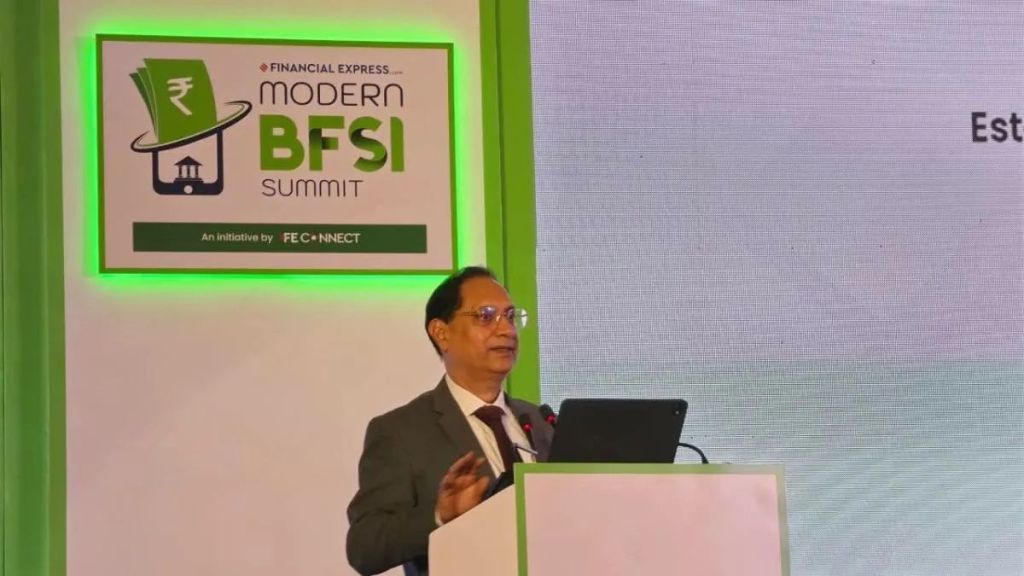

BFSI Summit 2026 Highlights: The annual FE Modern BFSI Summit is bringing together India’s key financial regulators alongside some of its most seasoned industry leaders this year as well.
Tuhin Kanta Pandey, chairman of the Securities and Exchange Board of India (Sebi), is going to Lead the regulators. He will speak on the regulatory framework, scale and retail trust. He will also join a fireside chat expected to cover a range of issues, from making bond markets more accessible to retail investors and the state of the IPO market to disclosure norms for new-age companies.
Ajay Seth, chairman of the Insurance Regulatory and Development Authority of India (IRDAI), will deliver a special address.
Swaminathan Janakiraman, deputy governor of the Reserve Bank of India will also deliver a special address.
Subhasis Chaudhuri, chairman of BSE, will speak on technology as a driver of business growth and as an enabler of stronger, continuous governance. A fireside conversation will follow, touching on the concerns facing bourses today.
From industry, Ajay Piramal, chairman of the Piramal Group, will take part in a fireside conversation on governance and the kind of stewardship businesses need as they grapple with growing complexity.
Other sessions will cover digital onboarding, tailored financial products, and AI and safety, along with the thorny questions around customer privacy that the industry must resolve.
According to Ajay Seth, operating expenses and commissions were related. He said mis-selling was not uncommon and that health insurance risk might not be assessed properly at the time of evaluating the policy.
He said product reform was needed, as several products were too complex for the common public, though diversity was necessary.
Insurance had to be presented in an easy-to-understand manner and should not be buried in fine print spread over five or six pages.
On digital, Seth said the industry needed to look beyond claim settlement, and that in an industry premised on trust, claims should be faster. In health insurance, he said broader cover must reflect the risks undertaken. He also said the sector needed to explore human trust as a way to reduce grievances.
Seth said the deadline for feedback on the public insurance registry had been extended to 17 October. For customers, he said, the registry would mean a consolidated view of their policies and an easier way to know the product.
Seth said premiums must support expected risk, and that when acquisition and servicing costs rose, value to consumers fell. He said the lowest price was not the best value and that cover must be adequate. He added that cost reduction at any cost was not the model and that there had to be a transition, stressing that affordability meant both price and quality.
He further added that distribution should not be seen from the narrow lens of sales or purchases. He said high commissions were not automatically unjustified, as there could be times when risk was complicated, and stressed that there had to be a balance between cost and access.
According to Seth, India was one of the fastest-growing economies with a significant digital footprint, but still had a protection gap. He said the insurance sector should move from a high-cost, low-inclusion equilibrium to a low-cost, high-inclusion one.
Seth said growth in any sector, insurance included, required sound economics, and that trust depended on consumer confidence. He said resilience could not be achieved by merely reducing the cost of insurance, and asked how the sector would deal with uncertainty around claims. He said the industry needed to look at how to be more efficient.
Ajay Seth, Chairperson, IRDAI, said that insurance should be judged on how effective each rupee spent is at providing protection, rather than on insurance density or premiums collected.
He said the industry should track the number of lives covered and the sum insured, adding that premium growth alone doesn’t show how much protection is actually offered.
“One nation, one KYC is going to become a reality,” said Sumit Singla, CEO of Rupyy (part of the CarDekho Group).
“It is accepted by all four regulators in the country,” he added.
“There is no central customer ID in many financial institutions, which creates friction,” said Ajay Rajan, MD and CEO of Protean eGov Technologies, while discussing the risk framework in digitalisation in financial institutions.
He was speaking on the topic ‘The Billion-Identity Question: Engineering Frictionless, Compliance-Safe Digital Onboarding’ at the FE Modern BFSI Summit.
“The question is also of liability. However, in the next two to three years, we will have CKYC 2.0,” he added.
“The lending journey has been completely digitalised, with several steps and processes, such as client onboarding and the use of account aggregators, becoming digital. If a person wants a loan today, the process has become much easier because of digital lending. This can help achieve credit inclusion, just as financial inclusion has been achieved,” said Sumit Singla, CEO of Rupyy (part of the CarDekho Group), while speaking on the panel titled ‘The Billion-Identity Question: Engineering Frictionless, Compliance-Safe Digital Onboarding’.
“There are a lot of dangers associated with artificial intelligence, such as AI-enabled bioterrorism,” said Ajay Piramal, chairman of Piramal Group, highlighting the importance of AI regulation.
“It came down from 30% to 2%, reducing the availability of insurance. These are huge and frequent changes, and I think they should not be made. The same applies to LTGC . There should be stability in policies,” said Ajay Piramal, chairman of Piramal Group.
"Boards and independent members need to have a significant voice, will help company's growth," said Chairman of Piramal Group
"Need to adapt to change, focus on the future direction of the company," he added.
"Board needs to have a key role in choosing leadership, will help steer the company in right direction."
“If we have an incremental capital-output ratio of around 5, our savings rate should be around 40% to sustain growth of 8% over the next 20 years.” said Dinesh Khara Former Chairman, SBI while talking about improving capital efficiency and increasing productivity to support India's long-term economic growth.
“The biggest opportunities lie in urban areas,” said Rajkiran Rai, MD and CEO of NaBFID, while speaking about data centres.
“By 2047, our investment in infrastructure will double, and that will include emerging sectors as well,” he said.
"Reforms in india is a difficult process," said Nilesh Shah Managing Director of Kotak Mahindra Asset Management.
"The responsibilities lies in the hand of voters and people." He added.
"Along with credit demand, we are seeing demand for Data center and renewable," said Managing Director and CEO, IDFC FIRST Bank.
“There is always a challenge in the bond market, which we are trying to address. We are also in contact with SEBI regarding this,” said Sachin Seth Regional Managing Director, India and South Asia, CRIF.
“We are working on the trading component and trying to bring in liquidity as well.”
"We will see so much of synergy soon."
“India needs to stop misallocation of savings,” said Nilesh Shah Managing Director, Kotak Mahindra Asset Management said that digital fraud-related losses range between Rs 25,000 crore and Rs 50,000 crore.
"Insurance for all, purchase equity or pension for all... everyone should have access for all of this. This overarching theme,” said Swaminathan Janakiraman, Deputy Governor of the RBI, while speaking at the FE Modern BFSI Summit 2026.
The panel discussion, “Readying the Next Balance Sheet: Building on Growth, Trust and Resilience,” is about to begin.
The panel will feature:
E Kumar Sharma, Senior Deputy Editor at Financialexpress.com, will moderate the discussion.
“Technology has been a great enabler,” said Swaminathan Janakiraman, Deputy Governor of the RBI, while speaking at the FE Modern BFSI Summit 2026.
“Now, we need people to interpret data and use technology effectively,” he said.
“How well it is managed will determine which industry will grow.”
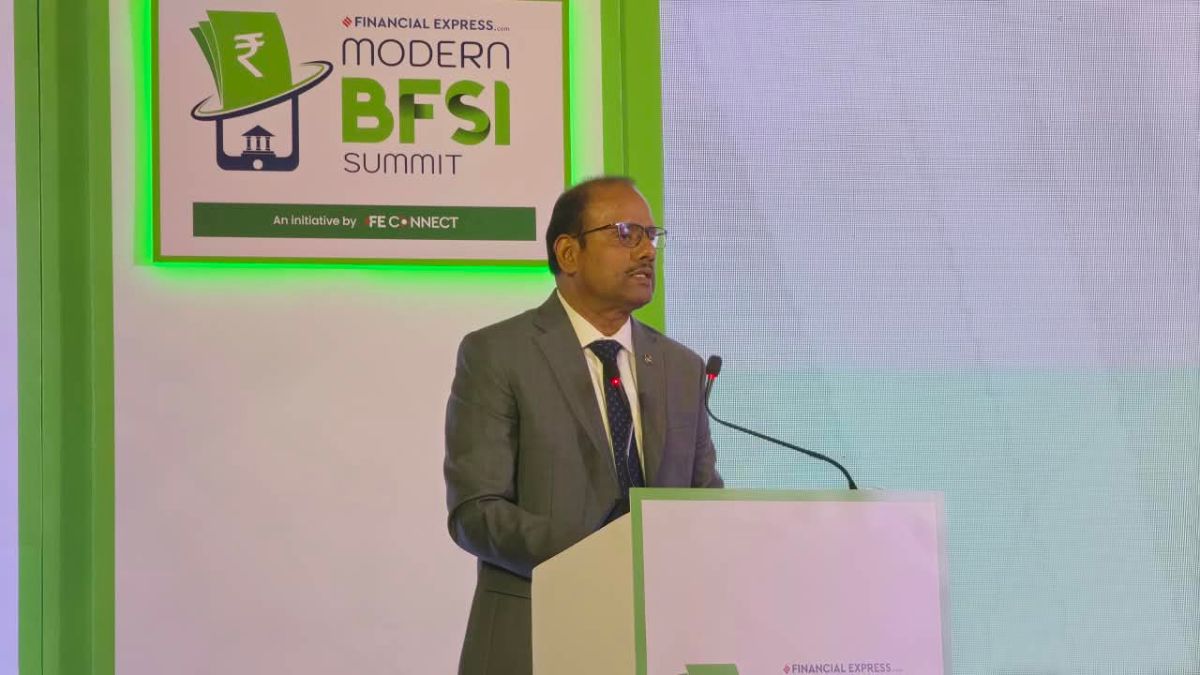
“Capital, liquidity and provisioning remain fundamental,” said Swaminathan Janakiraman, Deputy Governor of the RBI, while speaking at the FE Modern BFSI Summit 2026 during a session titled “Growth With Responsibility: The Next Balance Sheet”.
“Technology has enabled speed and improved the quality of crisis management in the financial system,” he added.
'SEBI promoting disclosures to boost transparency in the market,' SEBI Chairman Tuhin Kanta Pandey said.
On IPO, SEBI Chairman Tuhin Kanta Pandey said "Disclosures enable informed choices but cannot guarantee post listing returns."
"Propose net settlement of funds for MFs," SEBI Chairman Tuhin Kanta Pandey said while addressing FE BFSI Summit 2026.
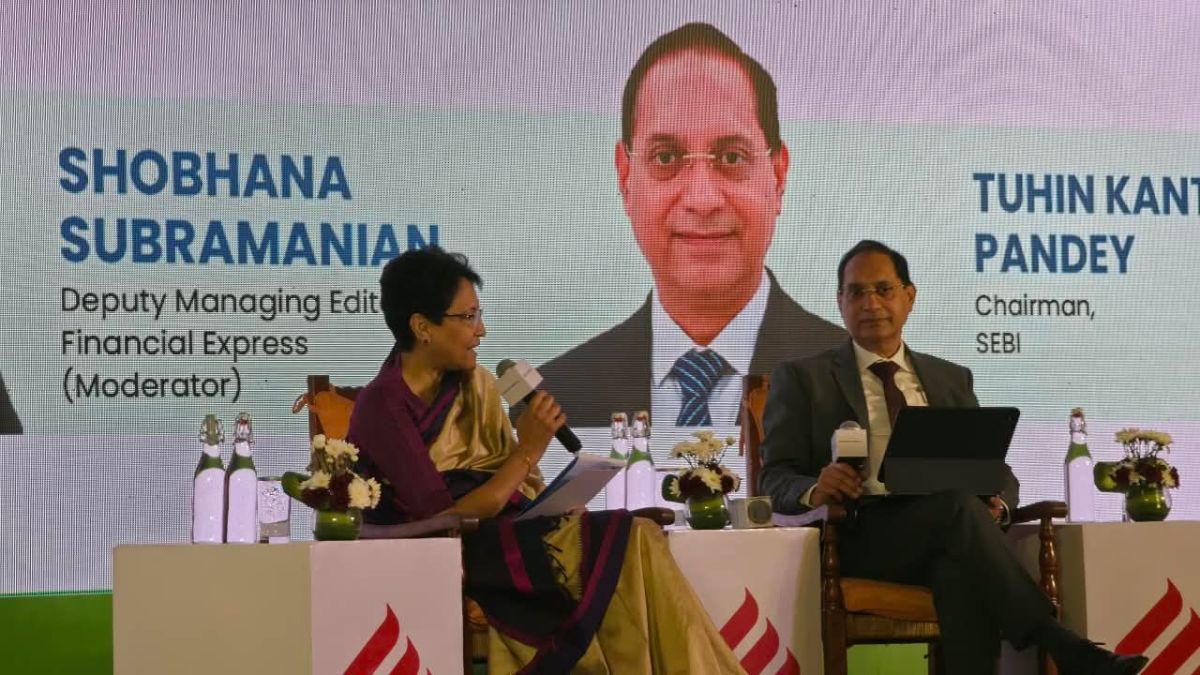
SEBI Chairman Tuhin Kanta Pandey said, “Allowed FPI participation in agri derivatives now."
“We are making continuous changes to make our markets more investor-friendly,” he added.
SEBI considering feedback on CAS, Chief Pandey said decision to be announced in near-term.
"The alternatives have been proposed," said SEBI Chairman Tuhin Kanta Pandey in a conversation with the Deputy Managing Editor of The Financial Express.
“CAS looks to plug a gap in Indian markets, a case of continuous engagement and change,” he added.
SEBI Chairman Tuhin Kanta Pandey said SEBI is considering changes to the LODR framework, making it more comtemporary.
“Regulatory reforms will continue, with frameworks focusing on the use of proceeds and ease of doing business,” he said while addressing the FE Modern BFSI Summit 2026.
“FPIs hold about Rs 74 lakh crore in Indian equity and debt; a wider investor base helps markets,” SEBI Chairman Tuhin Kanta Pandey said.
He added SEBI's approach is optimum regulation.
"Requirements must match the activity, its risks and investor sophistication. Investor protection and market integrity remain non-negotiable," he added.
"There are three priorities for Indian markets now- simpler rules, stronger systems and informed investor," SEBI chairman Tuhin Kanta Pandey said while addressing FE BFSI Summit 2026 .
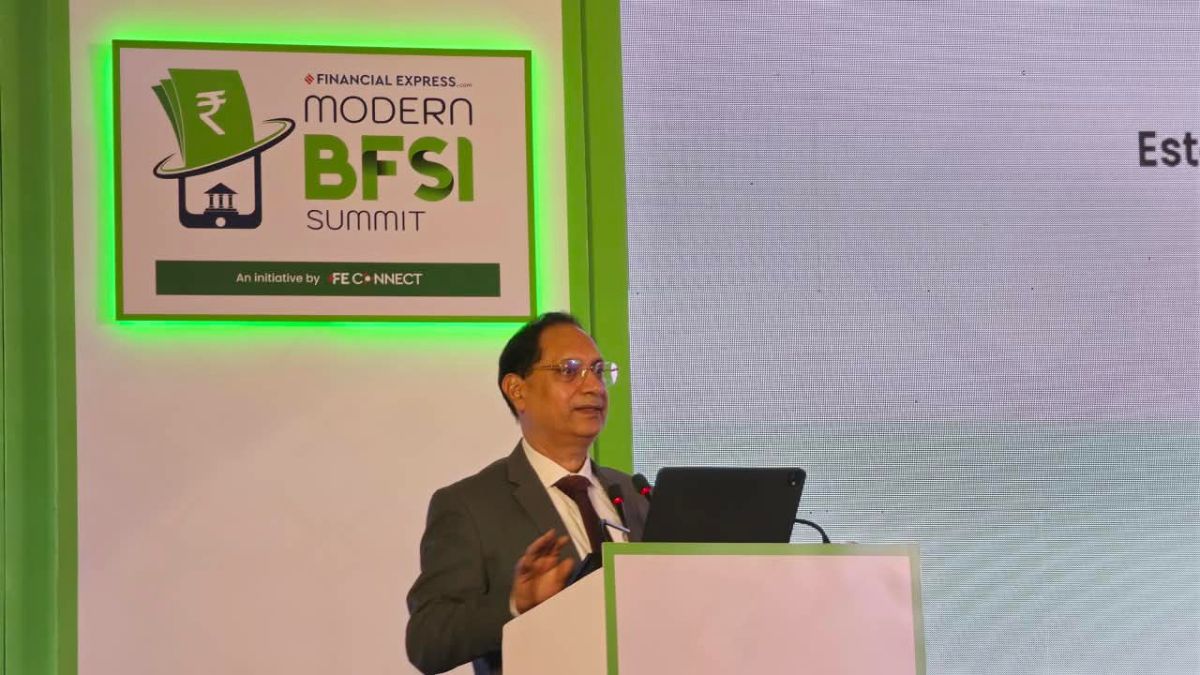
SEBI chairman Tuhin Kanta Pandey begins his address. He will discuss the regulatory framework, market scale and retail investor trust.