



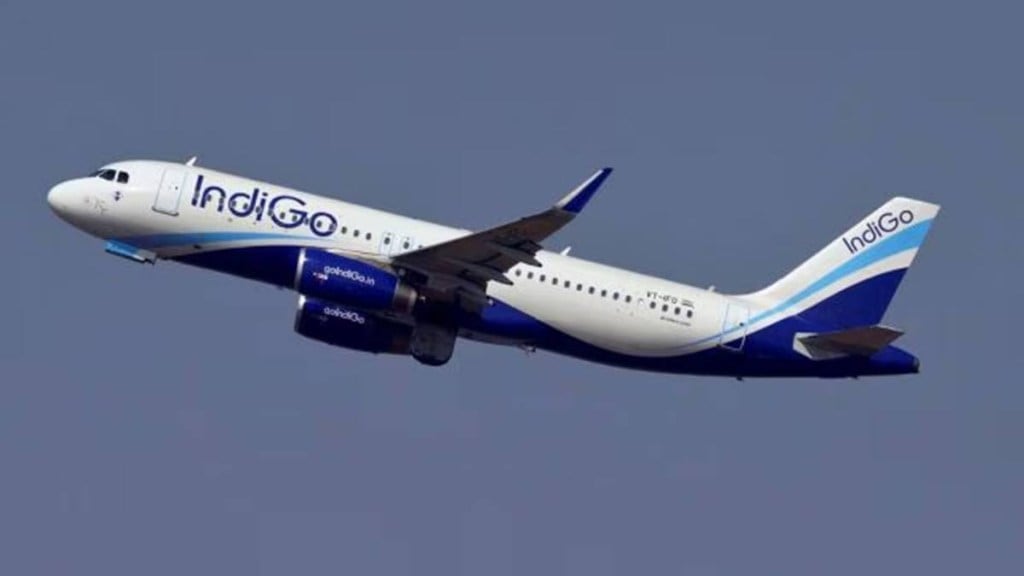
Amid the ongoing flight disruptions at IndiGo, the airline is facing another serious issue with multiple pilots reporting health problems linked to extreme fatigue in the last week, multiple airline executives told The Financial Express on condition of anonymity.
On-Duty Health Incidents
In the last week, six pilots have experienced health problems while on duty for IndiGo. Notably, one pilot had a panic attack, which delayed a flight for two hours at Kathmandu’s Tribhuvan International Airport on December 5.
On December 5, an IndiGo first officer became severely unwell while taxiing flight 6E 1916 at Tribhuvan International Airport in Kathmandu, multiple sources said.
“The pilot experienced hand tremors, rapid heartbeat, and elevated blood pressure during a panic attack. The flight to Mumbai was delayed by two hours as the airline arranged a replacement pilot to continue the service,” one of the sources said.
Sources told FE that two other pilots reported high blood pressure, one reported shortness of breath and headaches after reporting for duty, while another two pilots reported blurred vision, dizziness and chest pains while on duty.
Sources also added that since December 3, IndiGo has asked its flying crew, pilots and cabin crew to arrange for their own accommodation at several locations with reimbursement coming later, especially in Tier-II and Tier-III markets.
“In cities where IndiGo has a long-standing partnership with large hotels, accommodation is provided to flying crew, but in locations where the partnerships are with smaller hotels, flying crew has been asked to book their own hotels,” a second executive said.
Emails sent to IndiGo remained unanswered till the time of publishing.
The incidents happened during a week when IndiGo’s operations were already struggling due to a shortage of pilots and scheduling issues related to new Flight Duty Time Limitations (FDTL) regulations that started in December 2025.
Mandatory DGCA Reporting Triggered
According to the Civil Aviation Requirements published by the DGCA, each pilot health incident triggers mandatory reporting under India’s Aircraft (Investigation of Accidents and Incidents) Rules, 2025. Airlines must file a Mandatory Occurrence Report with the Directorate General of Civil Aviation (DGCA) and the Aircraft Accident Investigation Bureau (AAIB) within 24 hours of the incident.
When such a report is filed, the flight operation is immediately suspended until a replacement pilot is arranged. The airline must also file quarterly fatigue reports to the DGCA detailing crew training in fatigue management, the number of fatigue reports received, and reasons for acceptance or rejection of such reports.
Last week, the Airline Pilots’ Association of India (ALPA India) had also warned the DGCA that the dispensations granted to IndiGo under the revised FDTL CAR Phase II implementation would create an unsafe flying environment for domestic passengers in the country.
The association emphasised that passenger safety was crucial before making any decision, stating that it should not be sacrificed for commercial reasons. It was pointed out that any accidents caused by fatigue related to these allowances would be the responsibility of the DGCA, rather than the pilots.
On Saturday, the DGCA issued show-cause notices to IndiGo’s Chief Executive Officer Pieter Elbers, and the airline’s accountable manager, COO Isidre Porqueras.
The aviation watchdog has given the airline’s management 24 hours to respond to its show-cause notice, adding that the main reason for the flight disruptions, which resulted in the cancellation of over 2,700 flights since December 1, was due to a lack of proper arrangements to meet the updated requirements for effectively implementing the approved new FDTL norms for the airline.