



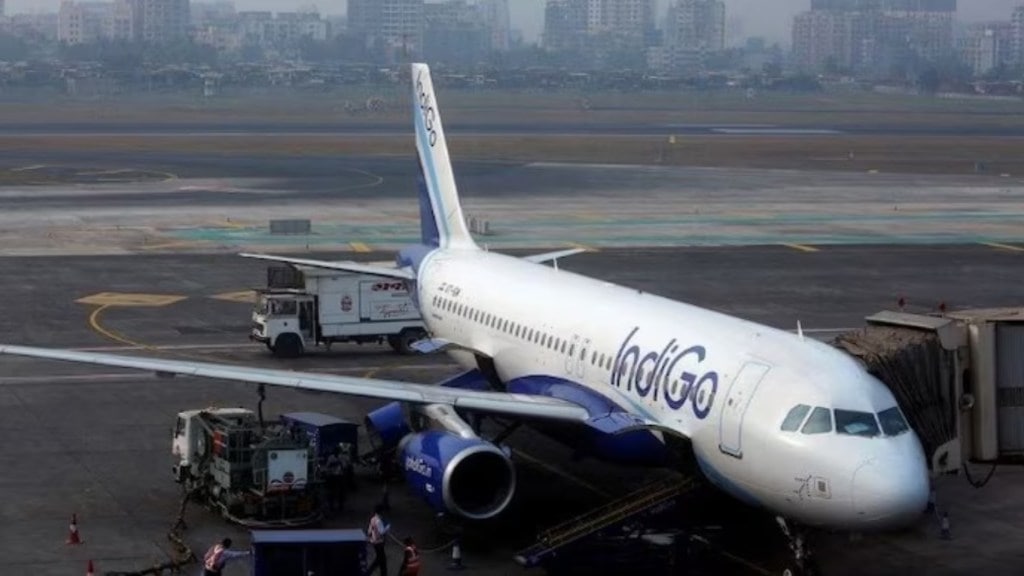
The government has granted a one-time relaxation for some of the flight duty time limitation (FDTL) norms that triggered massive disruption of IndiGo flights last week. Though this gives the airline more time to adapt to the new rules, it will not be easy to build pilot bench strength that quickly, explains Yaruqhullah Khan
l What were the pilot duty rules that led to flight disruptions?
THE DIRECTORATE GENERAL of Civil Aviation (DGCA) has certain guidelines called the flight duty time limitation (FDTL) norms to ensure adequate rest timings for pilots and flight attendants and prevent fatigue-related safety issues. The DGCA had asked domestic airlines to comply with a new set of FDTL norms in a phased manner from July 1, 2025 to November 1, 2025. It increased weekly rest periods from 36 hours to 48 hours for flight crew from July 1. The new regulations also took into consideration different types of operations across time zones from July 1. The definition of night duty was changed to cover the period from midnight to 6 am as opposed to midnight to 5 am previously. This enhancement of one hour was made to align the night duty period to encompass the window of circadian low from 2 am to 6 am, when the human body is at its lowest in terms of alertness.
Then from November 1, the maximum flight time and maximum flight duty period for flight operations encroaching night were restricted to eight hours flight time and 10 hours flight duty period, respectively. The number of landings was limited to only two as compared to six during night operations previously. However, since December 1 IndiGo has faced flight disruptions, which resulted in the cancellation of over 2,700 flights, mostly due to a lack of proper arrangements by the airline to meet the updated FDTL requirements.
l Mitigation measures taken by the govt
TO HELP RESOLVE the chaos at IndiGo, the DGCA has given a temporary reprieve till February 10, 2026, to the airline’s A320 fleet, from the norms that had come into effect on November 1. Twelve new Flight Operations Instructions have been issued with updated ratings for both flight and simulator duties. Caps have been set on airfares to control the surge in ticket prices following the flight disruptions. The government also directed IndiGo to clear all pending passenger refunds without delay by December 7, 8 pm. Airlines have been told not to levy any rescheduling charges for passengers whose travel plans were affected by cancellations.
l Why IndiGo was unable to adhere to the new norms
INDIGO HAS ADMITTED to the DGCA that it had “misjudged” the operational impact of the new FDTL norms. According to a statement issued by the DGCA, the airline said planning gaps contributed to its ongoing disruptions.
At the heart of IndiGo’s crisis lies the issue of the airline underhiring pilots. IndiGo currently operates around 410 aircraft with 5,700 pilots, translating to roughly 14 pilots per aircraft. This skeletal staffing model is insufficient as new rest rules require more pilots to operate the same flight schedule. IndiGo’s ultra-high utilisation strategy also relies disproportionately on midnight-to-early-morning turnarounds—the window most constrained by the new FDTL rules.
By capping night landings at two per duty period and extending night duty definitions, the FDTL rules directly attacked the operational window upon which IndiGo’s entire model depends.
l Action taken against the airline
THE DGCA HAS issued show-cause notices to IndiGo’s Chief Executive Officer Pieter Elbers, and the airline’s accountable manager, COO Isidre Porqueras. It held the CEO responsible, saying he “failed in his duty” to ensure reliable operations and to provide the facilities passengers are entitled to. The DGCA has also constituted a four-member committee to review the factors behind the flight disruptions, which will assess gaps in crew planning, operational preparedness and compliance with revised FDTL norms.
Meanwhile, the Airline Pilots’ Association of India (ALPA India) has warned the temporary reprieve creates an unsafe flying environment. It stated that operators had been given almost two years to meet the new FDTL standards in two phases. However, it was reported that operational disruptions occurred just 35 days after the implementation of Phase II, coinciding with the winter 2025 roster increase that was approved by the DGCA.
l Can IndiGo hire that many pilots?
INDIGO PLANS TO add 158 pilots by February 10, and another 742 by December 2026. It is in the market to hire 300 captains and 600 junior first officers over the next 12 months, the airline’s management said in its detailed action plan submitted to the DGCA. It admitted that, for its Airbus fleet, it needed 2,422 captains and 2,290 first officers to operate its scheduled flights under the new FDTL norms, but had an availability of 2,357 captains and 2,194 first officers, respectively.
Aviation experts, including former AirAsia CFO Vijay Gopalan, highlighted that increasing the number of captains is a complex task, as they undergo months of in-flight and on-ground training before being allowed to fly. Gopalan, in a post on Twitter said that the airline will not find it easy to hire pilots. “One is a notice period. The second is, if you want to bring in fresh pilots,… they need to go through the training. They need to finish the minimum number of flying hours. I don’t think Indian infrastructure supports any of those things. It’s a long process. It’s not going to be easy,” he said.