



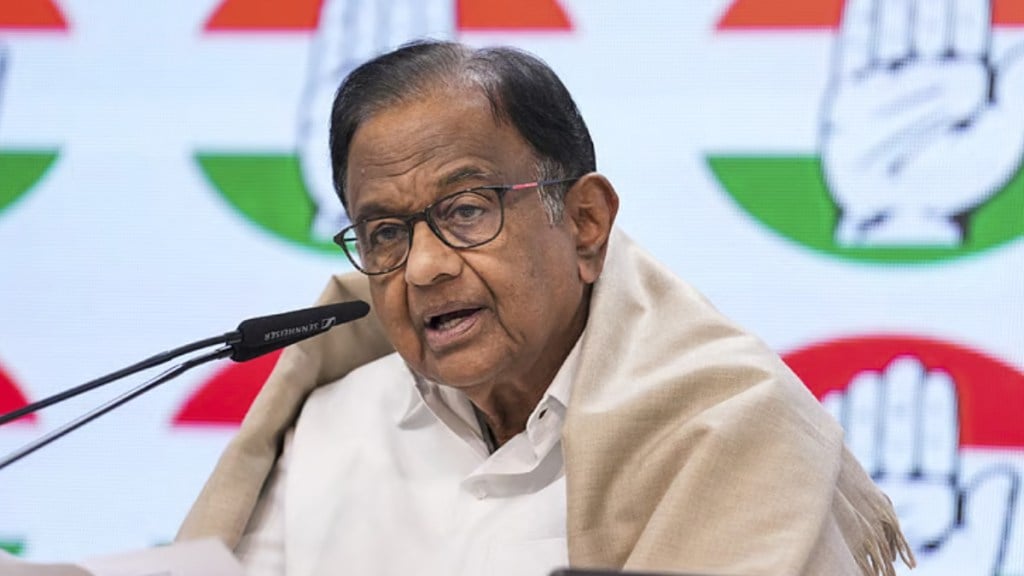
Senior Congress leader P Chidambaram has dubbed the ongoing IndiGo flight crisis a “massive failure” of the Indian government — accusing it of reacting ‘helplessly’ to the situation. The airline has cancelled thousands of flights over the past week and cited crew rostering issues as its main hurdle.
‘Massive govt failure’
“The meltdown of Indigo operations and the chaos in airports throughout the country point to a massive failure of the management of Indigo, the Ministry of Civil Aviation, DGCA and the whole government. The new rules were notified in January 2024. Yet, over the past 23 months, the government failed to guide the airline to adapt its operations to the new Rules. The MoCA and DGCA are squarely responsible. When the crisis started and escalated, the government was clueless and helpless, and eventually capitulated,” he wrote on X.
The DGCA had notified its new Flight Duty Time Limitations in January 2024 — giving airlines until the end of November 2025 to ensure implementation. The new pilot rest and duty rules had capped the number of night landings to two from six and restricted the maximum number of hours a pilot can fly at night to 10 hours. IndiGo has now been exempted from both measures until February 10.
It reportedly suffered a roster crisis this week as December is the peak time for holidays and weddings in India.
‘Duopoly in the aviation sector’
The remarks came mere hours after the Congress leader made a vehement case for competition in the aviation industry. Chidambaram noted that the sector had now become a “two-player business” in India and warned of “baneful consequences”. IndiGo holds roughly 65% of the Indian aviation market while the Air India Group controls around 26%. Data from May 2025 indicates that Akasa Air holds 5% while SpiceJet stands at roughly 3% market share.
“Rahul Gandhi was spot on when he said that the monopoly/duopoly model is ill-suited for a developing country. Duopoly prevails in many sectors of the Indian economy; the airline industry is one. Liberalisation and open economy are based on competition. Absent competition, there will be baneful consequences as we are witnessing now in the airline industry. People must ponder over how a vibrant and competitive airline industry in India was reduced to a two-player business, and why,” he had asked.