


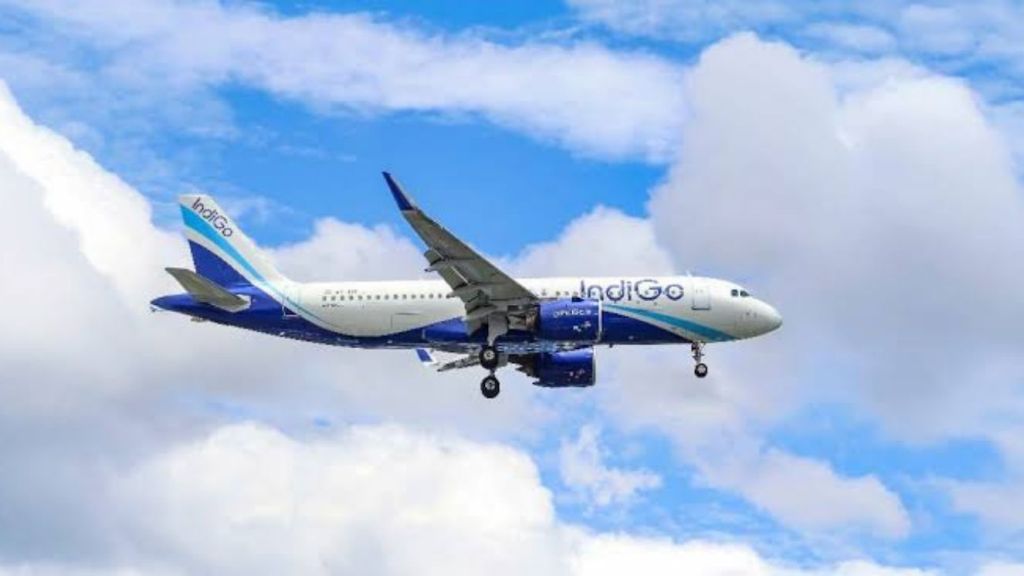

IndiGo will rely on commercial partnerships with foreign airlines to support its long-haul expansion and does not see the need for a financial investor as it prepares to introduce Airbus A350 aircraft from the second quarter of 2028, chief executive Willie Walsh said.
The airline is exploring different partnership models, including codeshares, joint ventures and revenue-sharing arrangements, to strengthen international connectivity and access overseas markets.
“It’s more about accessing the market. It’s not really about financial investment. They don’t need any financial support,” Walsh said, adding that IndiGo already had relationships with around 13 airlines.
The partnerships will be important as IndiGo seeks to connect India with markets that remain underserved by direct international services. Walsh said the airline’s domestic network and scale would make it an attractive partner for foreign carriers looking to access the Indian market.
IndiGo is targeting a fleet of around 600 aircraft by 2030, with international expansion expected to become a major growth driver. The airline plans to introduce its A350s in the second quarter of 2028, while expanding its network through Airbus A321XLR aircraft into markets that may not have traditionally been connected directly to India.
Walsh, however, cautioned against allowing international expansion to compromise IndiGo’s highly efficient short-haul operations. He said airlines historically tended to sacrifice short-haul efficiency when pursuing long-haul growth, but IndiGo would continue to focus on improving its narrow-body operations.
“We don’t get distracted from the excitement of the introduction of the A350, and take our eyes off the ball in terms of the work that we need to continue to do on the short-haul narrow-body operation,” he said.
The airline is also reassessing its cost base after slower capacity growth in the second quarter provided greater visibility into underlying unit costs. While IndiGo considers its operating model efficient, Walsh said there remained opportunities to improve costs, particularly as fuel prices and currency movements continued to weigh on financial performance.
He also criticised the airport investment model, arguing that unnecessary capital expenditure and expectations of guaranteed returns were increasing costs for airlines and passengers.
“When we see investments being made in airports that aren’t required by the customer or by the airlines and are increasing the amount of investment that the airport expects to get in return, we have to call it out,” Walsh said.
He questioned why airports were expected to be profitable while airlines faced criticism for generating returns, arguing that airport costs ultimately contributed to ticket prices.
Fuel costs remain another major concern. Walsh said the jet fuel crack spread had reached around 65%, against a historical range of 10% to 38.3% between 2000 and 2025.
The airline expects international expansion to become increasingly important by 2030, while maintaining its domestic operating efficiency and strengthening the country’s connectivity with global markets.