


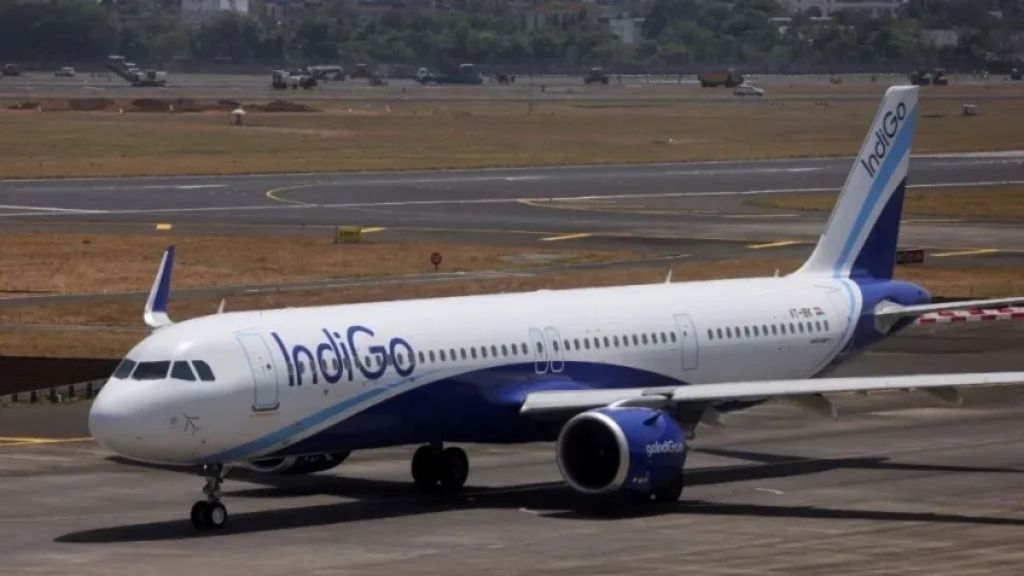

IndiGo is winding down its damp-lease arrangement for six Boeing 787-9 aircraft from Norse Atlantic Airways from October 31, shifting its long-haul focus to Airbus A321XLRs and A350s. It aims to raise international capacity share from 30% to 40% by FY30, supported by new routes and 13 codeshare partnerships. From October 25, Mumbai–Amsterdam services will shift to the A321XLR, while London Heathrow flights will remain suspended until A350s arrive.
IndiGo has ordered 40 A321XLRs, with four delivered and nine expected in calendar 2026. The aircraft will serve routes including Athens, Istanbul and Denpasar, supporting expansion into Europe and East Asia. The A321XLR is designed for “long-thin routes” where demand may not justify a widebody but distances exceed the reach of existing A320-family aircraft.
“The success of these routes typically depends on the economy of demand, price and supply,” said Abhijit DasGupta, senior vice-president, network planning and revenue management at IndiGo.
The airline says it has close to 30% share of the short-haul international segment, which accounts for roughly 60% of India’s international passenger traffic.
IndiGo has also ordered 60 Airbus A350-900s, with deliveries expected from 2028 through 2032. These are expected to enable more long-haul routes, including a potential return to London and expansion into Europe, Australia and, eventually, North America.
IndiGo’s domestic network remains central to its global ambitions. It serves 95 domestic destinations through more than 500 nonstop routes, while its international network spans over 40 destinations and more than 150 routes.
“In addition to our domestic market, this network will also provide the feed platform for the next stage of expansion, which is medium and long haul markets, as we move towards establishing a global footprint,”, DasGupta added. Rising incomes and improved access to air travel are expected to drive demand from tier-II and tier-III cities, widening the passenger base for international services.
“The domestic and international networks benefit from feeding each other, allowing customers from across India to access a wider range of international destinations through a single network,” DasGupta said.
By FY30, IndiGo aims to operate more than 550 aircraft, nearly 3,000 daily departures and carry around 200 million passengers annually. Ancillary revenue per passenger has risen around 30% over five years, supported by Fast Forward, seat upgrades and newer products such as UpFront, cabin-baggage-only fares and IndiGoStretch.
Airport and airspace capacity, transit infrastructure, supply-chain resilience and skilled professionals will be critical.
“Realizing this opportunity, however, will require every part of the aviation ecosystem to evolve in line with the growing demand,” DasGupta said.