


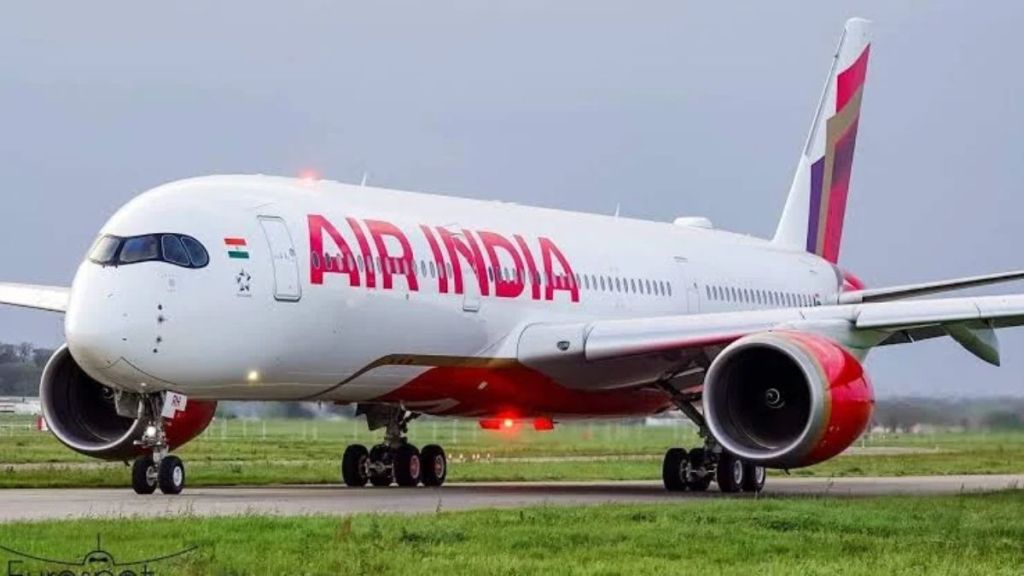

Air India is stepping up efforts to cut costs by integrating select functions with Air India Express, moving beyond the consolidation of the two airlines’ brands to eliminate duplication and improve resource utilisation. The airline’s board has given in-principle approval for such measures and empowered the CEO to identify additional opportunities for savings.
The move comes as the group’s financial losses widened sharply in FY26 amid high fuel prices, geopolitical disruptions and continued spending on fleet renewal and service improvements. Air India set up a dedicated, multidisciplinary cost savings team a few weeks ago to identify areas where expenditure can be reduced. The board backed the integration-led cost-cutting measures at its October 15 meeting.
The latest exercise marks a further step in the Tata group’s restructuring of its airline business. AirAsia India was merged with Air India Express in October 2024, while Vistara was integrated into Air India the following month, reducing the group’s four airline brands to two: full-service Air India and low-cost Air India Express. The two, however, continue to operate as separate companies, leaving scope for consolidation of selected back-end functions.
These could include administration, technology, procurement and engineering management, where separate teams and systems may lead to duplication. Sharing resources could also improve purchasing leverage and supplier negotiations, while better coordination of maintenance, training facilities and aircraft deployment could help lower operating costs. The extent of the proposed consolidation, however, is not yet clear.
The need to improve cost efficiency has become more pressing as the group’s financial performance deteriorated. Its wider airline business, including Air India Express and other subsidiaries and joint ventures, reported a consolidated loss of Rs 22,238 crore in FY26, compared with Rs 10,859 crore in the previous financial year. Total income declined to around Rs 71,870 crore, while expenses rose to Rs 93,733 crore.
Air India Express reported a net loss of Rs 6,767 crore on revenue of Rs 19,088 crore in FY26, with operating expenses at Rs 20,663 crore. Both airlines are also dealing with higher operating costs and the demands of expanding their fleets and networks. Air India, in particular, continues to invest in aircraft maintenance and product improvements after years of underinvestment.
External disruptions have added to the pressure. Pakistan’s closure of its airspace to Indian airlines in April 2025 forced Air India to take longer routes on several international services, increasing fuel consumption, crew costs and aircraft utilisation. Disruptions in West Asia and fuel-price volatility have further complicated cost management.
Industry experts say deeper integration could deliver efficiencies, but execution will be critical. A common air operator certificate, for instance, could enable greater flexibility in crew deployment, route planning and the use of maintenance facilities, according to Amit Mittal, director at AeroIntellect Aviation. However, such a move would involve regulatory, operational and human resource challenges.
Mark Martin of Martin Consulting said consolidation could eliminate back-end duplication, although restructuring and crew retraining may follow. He also stressed the need for clear brand positioning and network integration as Air India Express expands its domestic operations.