


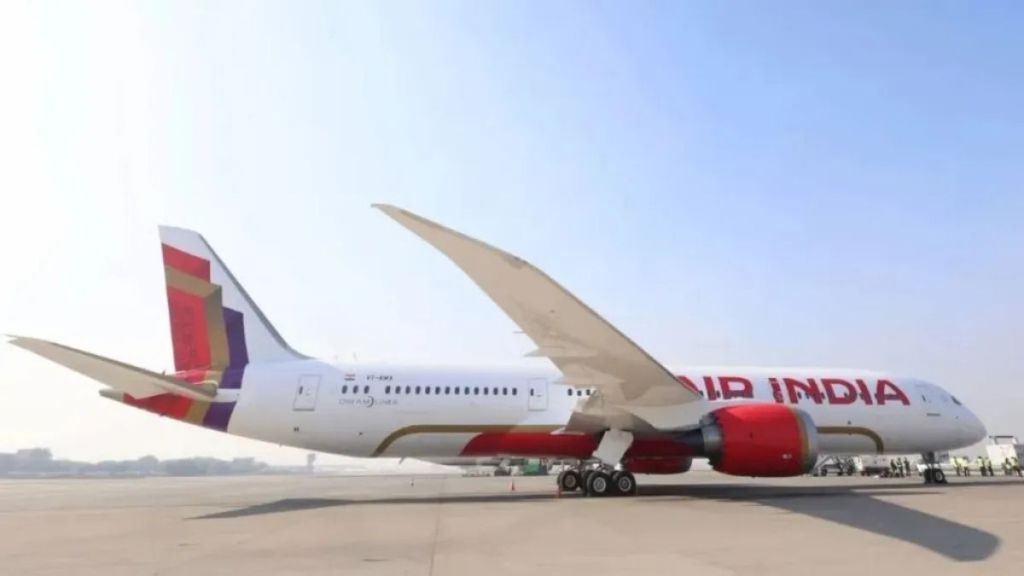

Air India has set up a dedicated, full-time team to identify cost-saving opportunities across its operations as the Tata Group-owned airline seeks to strengthen its financial position amid persistently high aviation turbine fuel (ATF) prices, airspace restrictions and geopolitical disruptions.
In an internal communication to employees, CEO Tewolde Gebremariam said, “A newly formed multidisciplinary, cross-functional Cost Savings Team would systematically review expenditure across the organisation and identify opportunities to improve cost efficiencies.”
The initiative is part of a broader push to embed cost consciousness across the airline, with employees also being encouraged to suggest measures to reduce spending, improve resource utilisation and generate additional revenue.
“Cost savings cannot be driven by a single team or function alone; it requires the active participation and commitment of every employee,” Gebremariam said in the memo.
The airline has also launched PRABHAV, The Value Creator Award to invite employee suggestions on reducing costs through improved processes, contract renegotiations, efficient procurement, waste reduction and bringing outsourced activities in-house. Ideas that are successfully implemented will be recognised and rewarded.
The measures come as Air India continues its transformation under the Tata Group, which took control in January 2022. Despite investments in fleet renewal, cabin upgrades and operations, sustained profitability remains a challenge amid high costs and intense competition.
Elevated aviation turbine fuel prices, airspace closures and geopolitical disruptions are adding to operating expenses through higher fuel consumption, flight times and crew costs. Cost savings across procurement, maintenance, ground operations and administration could help offset these pressures as the airline expands its fleet and upgrades products.
Air India has reported substantial losses in recent years while pursuing aircraft orders, refurbishment, technology upgrades and service improvements. The November 2024 merger with Vistara has also shaped its restructuring.
To strengthen financial oversight, the airline revised its Schedule of Delegation approval matrix from October 1, routing expenditure approvals through department heads, chief executives and the CEO.
Gebremariam said the objective was to build a leaner and more resilient airline, with savings available for reinvestment in operational performance and customer experience.
“Every rupee we save creates an opportunity to reinvest in areas that matter most,” he said, urging employees to challenge unnecessary expenditure and identify more efficient ways of working.
The cost-saving initiative will run alongside Air India’s expansion and product-improvement plans, reflecting the challenge of balancing growth investments with the need for tighter financial discipline.