


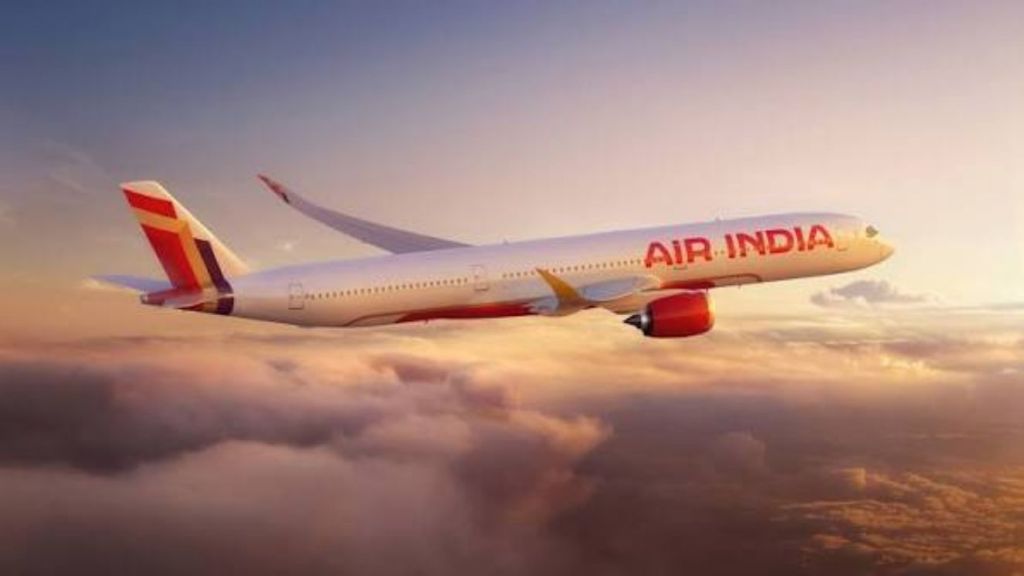

Air India expects to return to profitability “very soon”, its chief executive Tewolde Gebremariam said on Tuesday, adding that he was more impatient to see the loss-making airline turn profitable than its shareholders. The airline is looking to increase its wide-body aircraft order as it seeks to expand international operations and regain market share from foreign carriers.
Gebremariam said shareholders Tata Sons and Singapore Airlines were taking a long-term view of the airline’s transformation and remained confident of generating returns on their investment.
“Yes, we have very good shareholders who are focused on the long term, not the short term. They understand very well that the long-term return on invested capital will be there,” he said. “I am more impatient than the shareholders to see profitability,” he added.
The immediate challenge is to bring down operating costs amid elevated fuel prices and disruptions to international operations. Gebremariam said tensions in West Asia and the closure of Pakistani airspace were creating near-term headwinds, but maintained that the airline’s long-term growth prospects remained strong.
“Profitability is our issue,” he said, pointing to Air India’s elevated cost per available seat kilometre (CASK), which “needs to get down”.
The airline has initiated a company-wide efficiency drive, with a cross-functional team identifying cost-saving opportunities across operations. It is also pursuing deeper integration and operational synergies with Air India Express, including sharing corporate functions, to improve efficiency and contain losses.
The turnaround assumes greater urgency after Air India reported a consolidated loss of more than Rs 22,000 crore in 2025-26, over double the previous financial year’s loss. The airline is also seeking around $1.5 billion from shareholders Tata Sons and Singapore Airlines.
Alongside the cost-reduction effort, Air India is banking on international expansion to strengthen revenues. It wants to increase its wide-body aircraft order to support long-haul operations and expand international-to-international connecting traffic.
“We want more wide-body aircraft,” Gebremariam said, adding that the airline’s network and strategy demanded a larger fleet. Air India is in discussions with Airbus and Boeing, though he did not disclose the number of additional aircraft it plans to order.
The airline has an orderbook of 600 aircraft, including 80 wide-body jets, of which around 10 have been delivered. It currently operates 61 wide-body aircraft.
Air India’s immediate international priority is to reclaim market share from foreign airlines, particularly on routes connecting India with the rest of the world. Gebremariam said the country’s large diaspora offered a significant market opportunity, while increasing transfer traffic would be central to its ambition of positioning India as a global aviation hub.
The airline is also rebalancing its network amid the closure of Pakistani airspace and disruptions in the Gulf. It is looking to concentrate more Europe and North America flights from Mumbai, while expanding Delhi operations to destinations less affected by airspace restrictions. Bengaluru is being considered as a third hub.