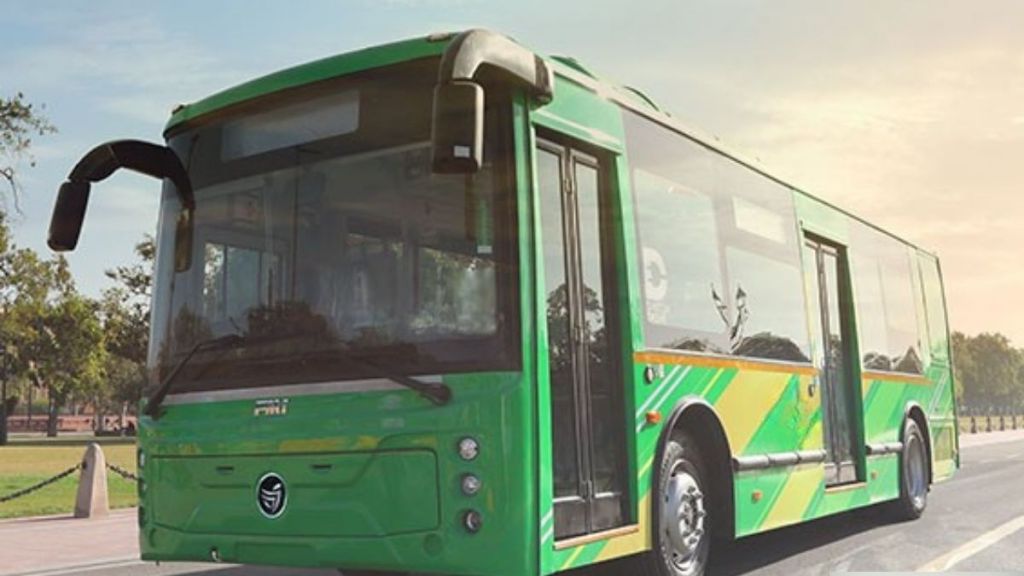
New electric-bus makers are turning up the heat in government tenders, with the closest contest in the latest PM-eBus Sewa procurement decided by just 19 paise per km. PMI Electro Mobility emerged as the biggest winner, securing 1,248 of the 4,054 buses on offer, amid razor-thin bidding gaps across several contests.
PMI Electro, a new-age electric-bus manufacturer, quoted ₹53.60 per km for 390 buses in Madhya Pradesh, beating JSW’s ₹53.79 per km bid by just 19 paise. Four contests saw winning bids separated from the next-lowest offer by less than ₹1 per km, while three others had gaps of less than ₹2 per km.
The narrow bid gaps point to intensifying competition for government-backed e-bus volumes, as a growing pool of new players bids aggressively for fleet orders.
For government agencies, greater competition improves price discovery, while putting pressure on the margins of established players such as Tata Motors, Ashok Leyland and VE Commercial Vehicles.
A senior official at Convergence Energy Services Ltd (CESL), the government agency implementing the tender, said the procurement was among the most competitive, with the gap between the lowest and second-lowest bids significantly narrower than in several earlier tenders.
In Haryana, JSW’s winning bid of ₹53.42 per km was 53 paise below PMI Electro’s ₹53.95 per km. In Kerala, Sai Green’s ₹62.79 bid was 59 paise below JSW’s ₹63.38, while in Chandigarh, PMI’s ₹50.55 bid was 93 paise below JSW’s ₹51.48.
“The tight bidding benefits government-backed electric mobility programmes by improving price discovery and reducing the premium that may otherwise be embedded in bids when there are fewer competing suppliers,” the official said.
PMI Electro secured buses across Rajasthan, Madhya Pradesh, Chandigarh, Arunachal Pradesh, Himachal Pradesh, Jammu & Kashmir and Ladakh. Sai Green Projects emerged as the second-largest winner with 1,236 buses across Telangana, Andhra Pradesh, Punjab, Andaman & Nicobar and Kerala, while JSW won 1,200 buses across Karnataka and Haryana.
Eka Mobility secured 270 buses in Gujarat and Manipur, while Inventive Software Solutions won 100 buses in Goa and Dadra & Nagar Haveli.
The results mark a significant setback for established players such as Tata Motors, Ashok Leyland and VE Commercial Vehicles, which faced strong competition from the new entrants and failed to secure the volumes they have traditionally commanded in government tenders.
For PMI Electro, the latest win comes as its electric-bus business scales rapidly, backed by global investment firm KKR’s $310 million investment. Earlier this year, KKR acquired a majority stake in Allfleet and a minority stake in PMI Electro. PMI had also emerged as the largest beneficiary of the government’s 10,900-bus PM E-DRIVE tender concluded in December 2025, securing orders for 5,210 buses.
For JSW, which has launched its electric buses under the Ampstar brand, the tender marks its first major government e-bus order, expanding its commercial-vehicle business beyond captive demand from the group’s steel operations. JSW had missed out on the earlier 10,900-bus tender.
The latest tender is expected to accelerate electric-bus adoption in the coming years, with government procurement driving market growth. The county recorded 5,358 e-bus registrations in FY26, with electric penetration accounting for about 4.5% of total bus registrations, Vahan data shows.