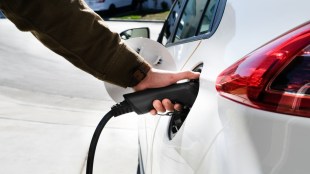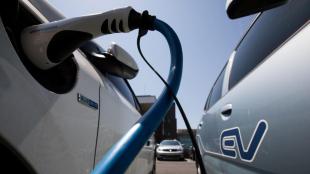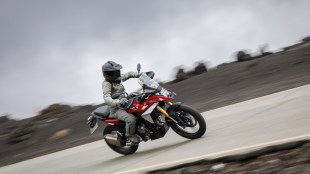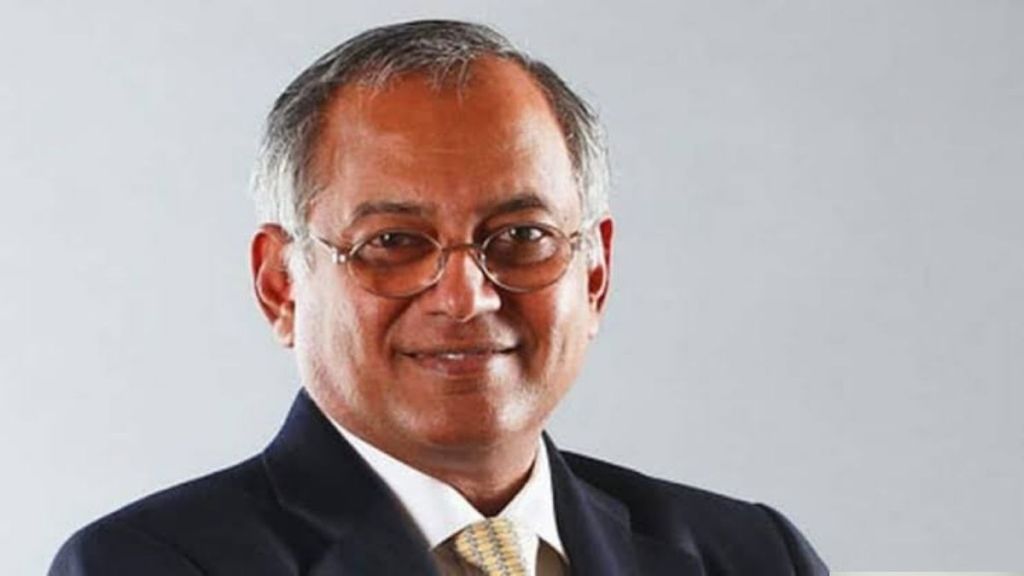
Electric vehicles (EVs) are not the only solution to reducing vehicular pollution and the industry should remain technology-agnostic while giving consumers greater choice, TVS Motor chairman emeritus Venu Srinivasan said on Monday.
Srinivasan comment came as pushback came against an increasing policy focus on an all-electric transition.
Delhi government earlier this year announced a new electric vehicle policy that mandates all new two-wheelers registered in the national capital to be electric from April 2028. The policy also envisages an end to registration of new CNG auto-rickshaws from 2027, making the two- and three-wheeler segments the centrepiece of Delhi’s electrification push.
Speaking on the sidelines of the IFQM Symposium 2026, Srinivasan said India should assess different technologies based on their overall environmental impact rather than treating EVs as the sole pathway to lower emissions.
“I always believe we have to be agnostic (in technology) and look at the net effect on the country in terms of pollution, quality and environment. So EV is not the only solution,” he said.
He said EV adoption should be allowed to grow in line with consumer demand, particularly as electric mobility is already gaining traction in segments such as two- and three-wheelers.
However, the Delhi government says two- and three-wheelers account for 42% of vehicular PM2.5 pollution in the capital and has planned a significant expansion of charging infrastructure to support their transition to electric mobility.
Srinivasan also backed ethanol blending as a way to reduce the country’s dependence on imported fuel, arguing that the impact on vehicle performance has been limited.
“The degradation in performance is very marginal. I think that should not deter us. After all, whole of Brazil runs on ethanol,” he said.
On whether consumers should be allowed to choose between different ethanol blends, Srinivasan said there was little need for such a choice up to E10, but an option could be required at higher blending levels because of concerns around the compatibility of ethanol with vehicle materials.
“There might be a mild fuel drop, but I think that is being played up too much. Because the country should look at the imports. And it is ecologically more friendly…I always believe choice should be there.”
Srinivasan also called on Indian manufacturers to raise their quality and productivity standards as companies look to expand their presence in global markets.