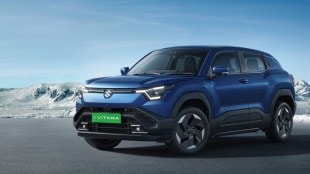
Maruti Suzuki India has raised vehicle prices for the third time this year, with cars set to become costlier by up to Rs 20,000 from September, underscoring the growing cost pressure on automakers and an increasingly expensive year for car buyers.
The country’s largest carmaker by volume had already raised prices by up to Rs 30,000 in June and announced another hike of up to Rs 30,000 from August. With the latest revision, Maruti will have pushed through three separate price increases in just four months, taking the cumulative maximum increase announced this year to as much as Rs 80,000, depending on the model and variant.
In a regulatory filing on Monday, Maruti said prices of selected models would be increased by up to Rs 20,000 from September.
“For the past few months, the Company has been making continuous efforts to mitigate the cost impact to the extent possible through cost reduction measures. However, with inflationary burdens at elevated levels and the adverse cost environment enduring, the Company is constrained to pass on a portion of the increased costs to the market, while continuing to ensure that the impact on customers is kept to the minimum extent possible,” the company said.
The latest move is notable not merely for the quantum of the increase but for its frequency. Maruti typically announces price revisions at the beginning of a calendar year. This year, however, the company has returned to the market repeatedly, first in May, then again in August and now with another increase effective September.
The repeated hikes also come at a time when the industry is trying to stimulate demand through new launches, discounts and an upcoming festive season. For customers, the price increases threaten to progressively push entry-level and mass-market vehicles further out of reach, particularly when financing costs and running expenses remain significant considerations.
Before this year, Maruti’s previous major price increase was announced in April 2025, when prices were raised by up to Rs 62,000 across models.
The automaker currently sells vehicles ranging from the entry-level S-Presso to the premium Invicto MPV, with prices spanning roughly Rs 3.49 lakh to Rs 28.8 lakh (ex-showroom). The exact impact of the latest hike will vary across models and variants.
Maruti is not alone in passing higher costs on to consumers. Rival automakers have also resorted to multiple price revisions this year, highlighting the pressure from commodities, raw materials and operating expenses.
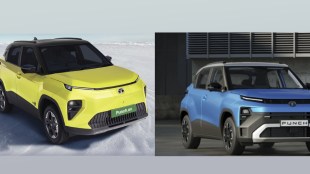
Mahindra & Mahindra raised prices of its SUV portfolio by an average 2.7% from July 10, following a hike of up to 2.5% in April. Tata Motors Passenger Vehicles increased prices of its ICE and electric passenger vehicles by up to 1.5% from July 1, after a 0.5% increase in its ICE portfolio from April.
Hyundai Motor India has also implemented two price increases this year, while Kia India and JSW MG Motor India raised prices by up to 2% and 3%, respectively, from July.
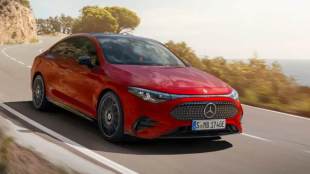
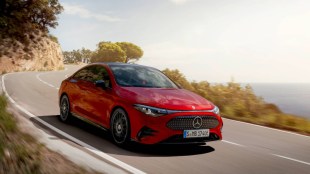
The trend extends into the luxury market. Mercedes-Benz India has revised prices twice this year, while BMW Group India has implemented three increases across its BMW and MINI ranges.