The electric vehicle transition across BRICS+ remains vulnerable to subsidy withdrawals and uneven policy support, with at least seven of the grouping’s 21 economies directing incentives towards lower-cost personal vehicles, public transport or shared mobility, even as most of the bloc remains heavily dependent on imported oil.
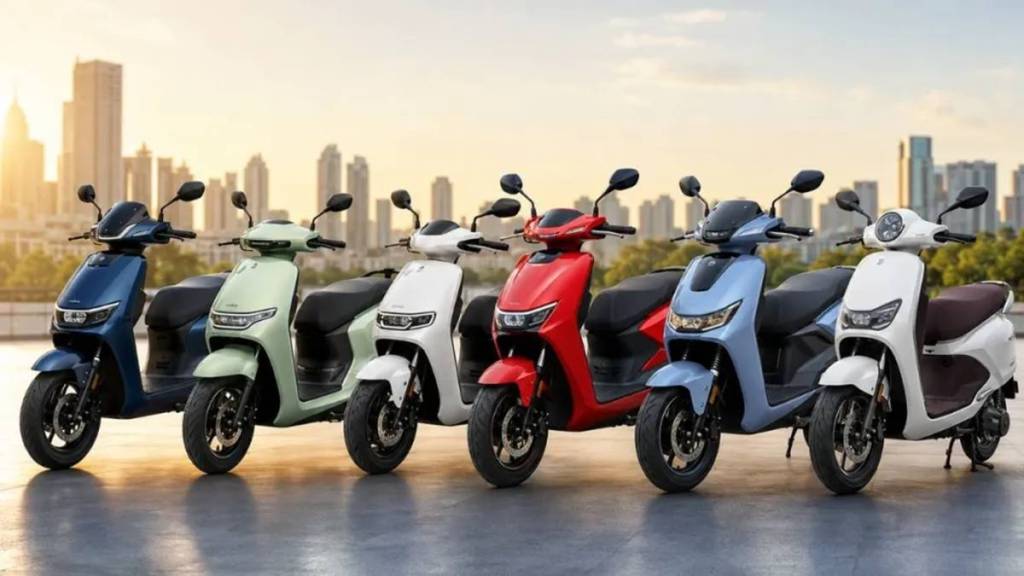
India is among the seven economies, alongside Brazil, China, Ethiopia, Indonesia, Malaysia and Thailand, that have directed support towards vehicles more widely used by lower- and middle-income consumers. Under India’s PM E-DRIVE scheme, support for electric two-wheelers has, however, been progressively reduced as the market matures, with the subsidy falling from $53 per kWh to $26.5 per kWh from April 2025, capped at $53 per vehicle or 15% of the cost. Around 2.37 million electric two-wheelers had been registered under the programme by early August 2026.
Policy continuity key to EV adoption
An assessment by the International Institute for Sustainable Development (IISD) flags policy continuity as a critical risk for EV adoption. Indonesia provides an illustration of both the impact of subsidies and the importance of policy continuity. Subsidised electric two-wheeler purchases surged to more than 77,000 in 2024, before sales declined in 2025 following changes in subsidy support. Indonesia has since renewed support for electric two-wheelers, underscoring the importance of sustained and predictable policy support in maintaining consumer momentum.
The report said governments need to “maintain policy continuity while adjusting support as markets develop”, adding that clear timelines and gradual changes are important to sustain confidence among consumers and businesses.
The stakes are high because 14 of 21 BRICS+ economies, accounting for around 84% of the bloc’s population, are net oil importers. Road transport accounts for nearly 45% of global oil demand, while EVs displaced around 1.7 million barrels per day of oil in 2025, a figure projected to approach 5 mbpd by 2030.
India bets on mass-market EVs
India’s policy is increasingly focused on mass-market transport. The country sold 21.7 million two-wheelers in FY26, nearly five times passenger-vehicle sales. PM E-DRIVE has earmarked $293 million for up to 4.58 million electric two-wheelers, while the scheme had also incentivised about 266,000 electric three-wheelers by July 2026, against a target of roughly 328,000.
Other BRICS+ economies are taking different routes. China’s trade-in programme supported 12.5 million e-bicycle purchases in 2025, Malaysia offers an approximately $600 rebate to eligible lower-income buyers, and Thailand provides $155-$309 for qualifying electric two-wheelers.
“The next test of EV policy is therefore not just how fast countries electrify, but who benefits first,” the IISD said.