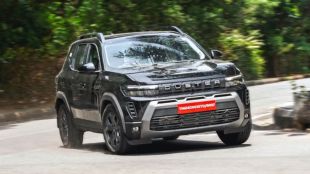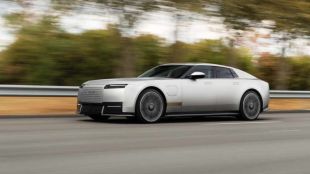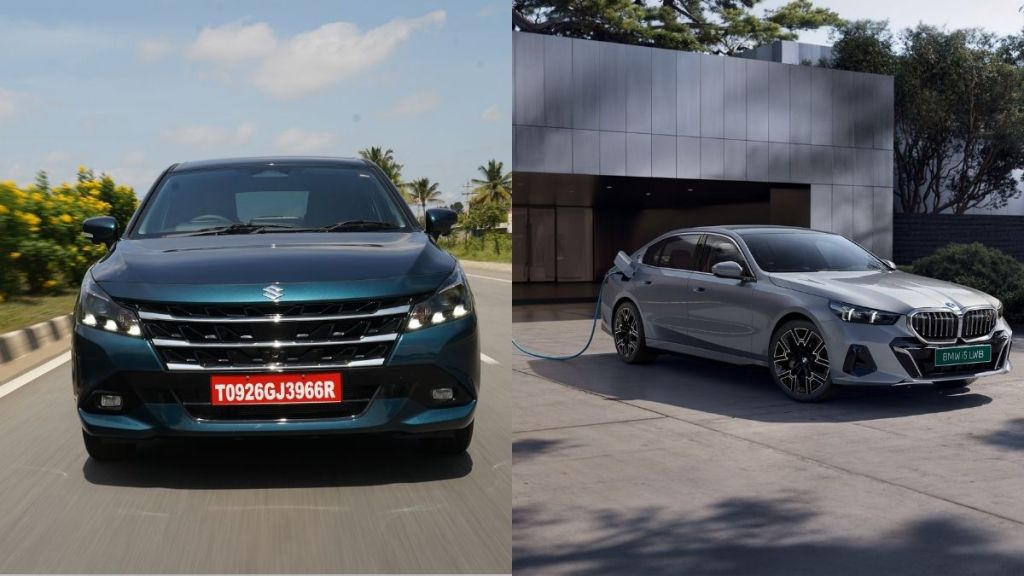
No person in his right mind will compare a Rs 6.1 lakh mass-market hatchback with a Rs 79.6 lakh electric executive sedan. Yet, the simultaneous launches of the updated Maruti Suzuki Baleno and the locally assembled BMW i5 Long Wheelbase point to a shift in the Indian automotive landscape: luxury technology is trickling down faster than before.
For years, a flagship luxury saloon and an everyday city car had strict differences. Features like Level 2 Advanced Driver Assistance Systems (ADAS), automatic climate control, premium sound system, and high-end telematics such as connected car technologies were reserved for luxury cars such as Mercedes-Benz and BMW, or top-end vehicles by mass-market carmakers such as the Toyota Camry or Mahindra’s and Tata’s flagship SUVs, and everyday city cars were basic.
While these features were gradually trickling down to midsize cars, one wouldn’t expect a Baleno to be armed with semiautonomous driving tech!
Maruti Suzuki, however, has turned this difference on its head. The new Baleno brings Level 2 ADAS—featuring radar- and-camera-guided adaptive cruise control and emergency braking—into the sub-Rs 10 lakh segment, alongside front ventilated seats and specialised audio tuning by Clarion.
Meanwhile, at the luxury end of the spectrum, the i5 LWB redefines high-end mobility by pairing electric power with chauffeur-focused space, rear-axle air suspension, and an immersive Bowers & Wilkins sound setup. All 99 units of its ‘First Edition’ have sold out prior to launch, proving that Indian buyers at every price band are hungrier than ever for tech-led comfort.
What used to take a decade to migrate from imported flagships down to mass-market family cars now takes mere product cycles. While BMW pushes the boundary of long-wheelbase luxury and zero-emission range (up to 669 km MIDC), Maruti Suzuki demonstrates that active safety and daily cabin comfort are no longer premium privileges, but standard expectations for the modern Indian buyer.
Whether a buyer spends Rs 6 lakh or Rs 80 lakh, the focus is shifting to smart features, active safety, and cabin comfort.