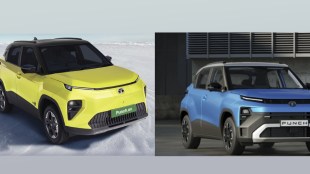
Supply constraints affecting electric vehicle deliveries are expected to ease over the next two to three months as suppliers ramp up capacity to meet stronger-than-expected demand, Tata Motors Passenger Vehicles managing director and CEO Shailesh Chandra said on Tuesday.
“Post February, you saw a threefold jump in bookings, at least for us. It is a matter of, I would say, two to three months before we are able to ramp up supply to meet the demand,” Chandra said at the India EV Conclave organised by Autocar Professional.
The company had planned production and component supplies based on demand forecasts made 18-24 months ago. However, a sudden surge in EV demand, uncertainty over fuel prices following the crisis in the Middle East and new model launches disrupted those plans, he said.
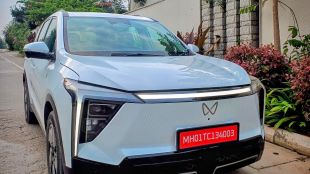
Automakers have increasingly pointed to production constraints, rather than a lack of demand, as a key factor limiting electric vehicle sales growth. Mahindra & Mahindra recently said its EV sales were constrained by production capacity and that it could sell an additional 2,000-3,000 units a month if supply bottlenecks were addressed.
Higher petrol and diesel prices are encouraging more consumers to consider electric vehicles because of their lower running costs. A wider choice of models, improving charging infrastructure and longer driving ranges are also boosting customer confidence.
“Many a time, a category does not grow only because of the favourable factors working for it, but also because of the adverse factors working for the other side, which is the conventional side,” Chandra said, referring to the uncertainty surrounding conventional fuel prices.
He added that these factors, alongside the stronger-than-expected demand, had not been fully anticipated when the company drew up its earlier production and supply plans.
While Tata Motors has the flexibility to allocate production capacity between electric and internal combustion engine (ICE) vehicles, some component suppliers need more time to respond to the sudden increase in demand, Chandra said.
Battery cells and power electronics are among the key components facing supply constraints. Power electronics also depend on semiconductor supplies, making the ability of component manufacturers to scale up production critical to meeting demand in the coming months.
Electric vehicles accounted for around 8% of the country’s passenger vehicle market in September. Tata Motors remains the market leader in the electric passenger vehicle segment.