Even as sport utility vehicles (SUVs) continue to gain ground in India’s passenger vehicle market, sedans remain a significant part of the luxury car segment, accounting for around 35–40% of sales despite a decline from more than 50% earlier. In the broader passenger vehicle market, sedan share has fallen by nearly two-thirds from its peak over the past decade to around 8%, as mass-market carmakers increasingly focus on SUVs.
The relatively stronger position of sedans in the luxury segment reflects the importance buyers place on comfort, driving dynamics and rear-seat experience. While SUVs offer greater road presence and are often perceived as better suited to Indian road conditions, luxury sedans continue to appeal to buyers seeking a premium, chauffeur-driven experience.
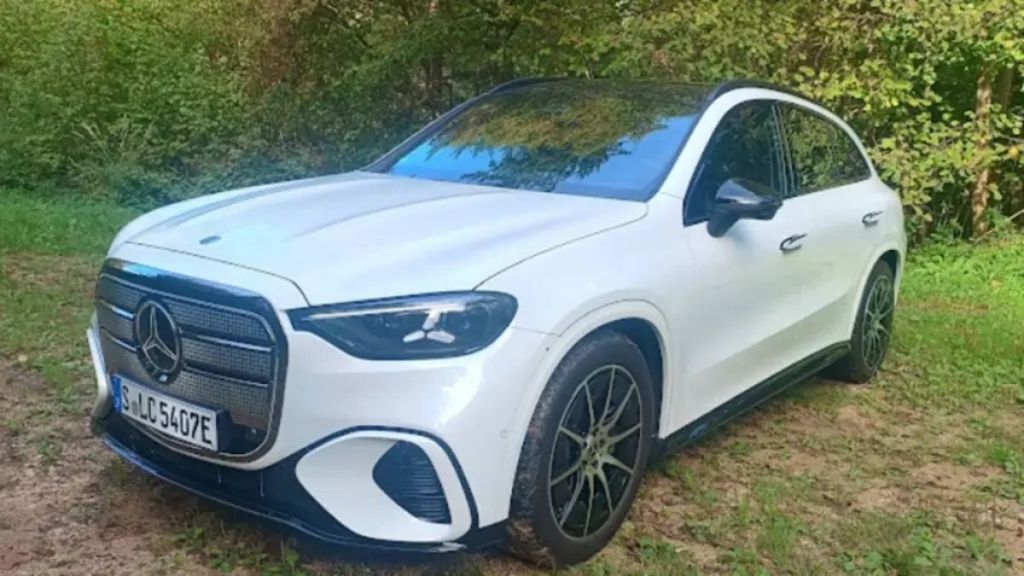
The difference is also evident in the number of models available. According to CarDekho data, India has 154 SUV models compared with 51 sedan models. Yet sedans continue to occupy a prominent position in the portfolios of luxury manufacturers. Mercedes-Benz and BMW together offer 24 sedan models against 19 SUVs, underlining the continuing importance of the body style in the premium segment.
“We have a very balanced portfolio of sedans and SUVs. Sedan products are higher because all performance cars are sedans,” said Hardeep Singh Brar, president and CEO of BMW Group India.
Brar said luxury buyers continued to appreciate the comfort and premium experience associated with sedans, particularly those who use chauffeur-driven cars. For business owners and senior executives, the quality of the rear-seat experience can outweigh the advantages of an SUV, even as the latter attracts buyers with its commanding road presence.
Santosh Iyer, managing director and CEO of Mercedes-Benz India, said SUVs had gained popularity partly because customers perceived them as offering greater size and value.
“But when you come to hardcore luxury, in terms of comfort, driving, as well as rear-seat comfort, there is nothing to beat a sedan,” Iyer added.
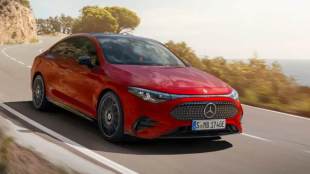
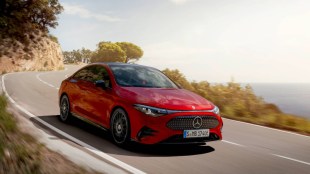
Both German carmakers have continued to invest in their sedan portfolios despite the broader shift towards SUVs. Mercedes-Benz introduced the electric CLA in 2026, while BMW launched the i5 Long Wheelbase and updated models in its existing range. These launches underline how luxury manufacturers are continuing to develop and refresh sedans even as SUVs dominate new product introductions across much of the wider market.
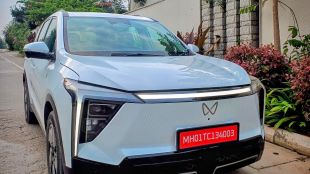
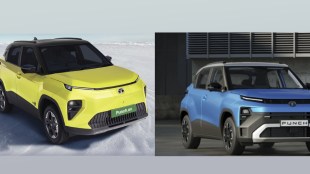
The shift towards SUVs is more pronounced in the mass-market segment, where manufacturers have significantly reduced their sedan offerings. Maruti Suzuki and Tata Motors have only one sedan model each, with these models also catering to fleet customers. Mahindra has no sedan in its portfolio, while Hyundai offers two models.
The trend reflects a change in product strategy as carmakers increasingly direct investments towards SUVs, which have become a major driver of demand in the broader passenger vehicle market.
Of the 51 sedan models available in India, 31 belong to the luxury segment, while mass-market manufacturers account for the remaining 20. The figures highlight the extent to which sedans have become concentrated in the premium end of the market.
For luxury carmakers, the segment remains commercially important. Mercedes-Benz India derives around 45% of its sales from sedans, according to Iyer. The E-Class, in particular, remains the country’s largest-selling luxury car, reinforcing the continued demand for premium saloons among Indian customers.
Manufacturers are also adapting their sedan offerings to Indian road conditions and changing customer expectations to sustain demand. Mercedes-Benz, for instance, has increased the ground clearance of its electric CLA to address concerns about uneven roads while retaining the styling and driving characteristics associated with sedans.
Such changes are aimed at making sedans a more practical proposition for Indian buyers, particularly those who might otherwise opt for an SUV because of concerns about road conditions.
“Clearly, if you have the right product, you have made it India-specific, styling-wise it’s better. Sedans are a great alternative,” Iyer said.