India’s passenger vehicle market is expected to get a clearer demand signal in November, as registrations during the month will help determine whether October’s 14.6% year-on-year decline was driven by a shift in the festive calendar or reflects a broader moderation in consumer demand.
India registered 501,406 passenger vehicles in October 2026, compared with 587,103 units in the year-ago period, according to JATO Dynamics data. While the overall market remained under pressure, electric vehicles (EVs) continued to record strong growth, pointing to a changing sales mix.
With Diwali falling on November 8 this year, compared with an earlier festive period in 2025, vehicle bookings, deliveries and registrations may have shifted between the two months. November’s numbers will therefore be crucial in assessing the underlying strength of festive-season demand.
EVs buck market trend
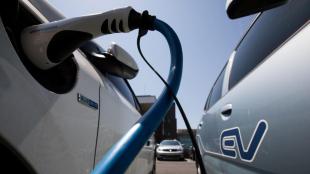
Registrations of non-electric vehicles declined 17.9% year-on-year in October, while EV registrations surged 74.7%. EV penetration nearly doubled to 7.3% from 3.6% a year earlier.
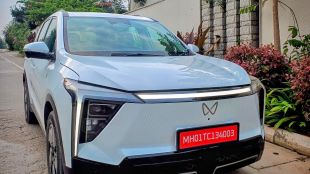
Tata’s EV registrations increased 76.3%, while Mahindra’s grew 84.2%, highlighting the growing contribution of electric models even as the broader passenger vehicle market weakened.
The trend suggests electrification is becoming an increasingly important factor in manufacturers’ sales performance. The extent to which this momentum continues in November will offer further insight into consumer appetite for electric vehicles during the festive period.
Diverging performance among automakers
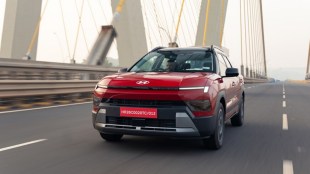
Among major manufacturers, Tata Motors and Mahindra performed relatively better than the overall market, with registrations declining 8.8% and 12.6%, respectively. Maruti Suzuki recorded a 15.2% decline, Hyundai Motor India fell 16.6%, and Kia registered a 13.4% drop.
MG Motor India recorded 4.3% growth, while Nissan registrations increased 23%. The contrasting performances indicate that the slowdown has not affected all manufacturers uniformly.
Affordability remains a key concern
Beyond the festive calendar, affordability could influence the market’s growth trajectory. Rising vehicle prices, equated monthly instalments (EMIs) and ownership costs raise questions about whether the number of consumers able to purchase new cars is expanding in line with manufacturers’ investments in premium products, new technologies and electrification.