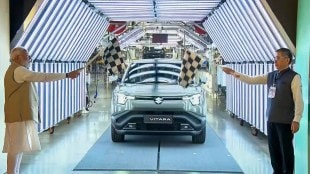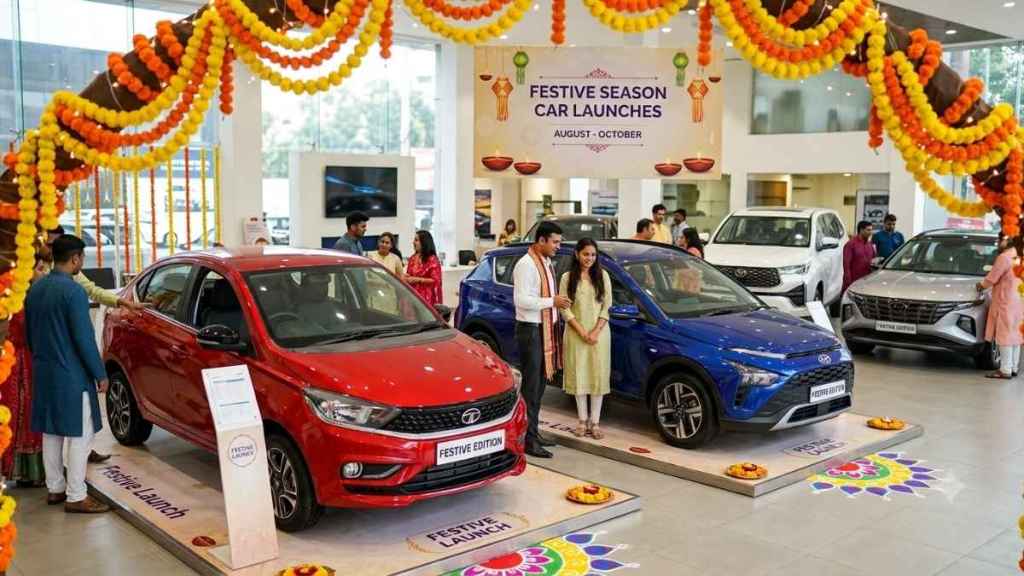
The festive season, which began with Onam on August 26, followed by Ganesh Chaturthi on September 14 and will culminate with Diwali on November 8, is set to see a steady stream of ntew car launches. Riding on record sales across several brands, carmakers are looking to capitalise on strong festive demand, with new model introductions spread across the season from August through late October. While several manufacturers have already rolled out their festive launches, a handful of new models are lined up for introduction over the coming weeks.
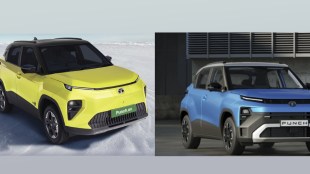
Tata Motors recently unveiled the Aeris compact sedan, a heavily updated iteration of the Tigor. The new sedan will take on rivals such as the Maruti Suzuki Dzire and Honda Amaze. Deliveries are expected to start late this month.
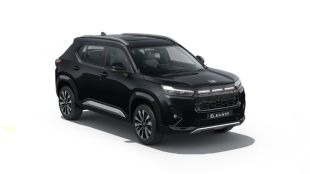
Hyundai is also expected to add another model to its SUV portfolio in the coming weeks. The Bayon is likely to slot between the Venue and Creta in the company’s line-up, with a price announcement expected around October 10 with deliveries expected to stary by Dusshera. The new Renault Duster hybrid will go on sale on October 17.
Toyota, meanwhile, is expected to give the popular Innova Hycross a facelift, bringing fresh styling and additional features. The Baleno-based Glanza is also due for an update. Maruti Suzuki has already introduced the facelifted Baleno and is expected to bring the refreshed Wagon R to the market in the coming weeks.
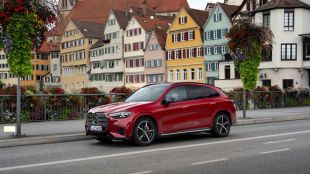
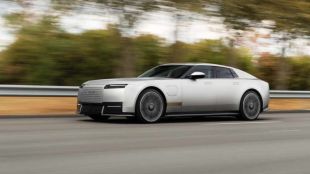
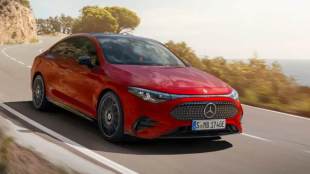
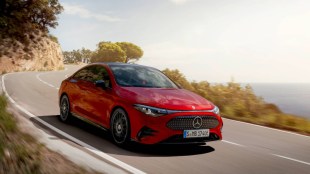
At the premium end of the market, Mercedes-Benz is preparing to launch a heavily updated Maybach S-Class in India. The German luxury carmaker is also expected to open bookings for the all-new GLC EV, which is scheduled to go on sale later this year. Volvo has confirmed October 12 as the India launch date for its EX90 and ES90 electric models, adding to the list of premium launches scheduled during the festive period. Audi will launch the new Q3 in India on October 16.
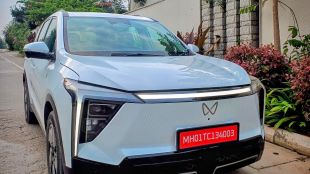
The festive season has already witnessed several significant launches. JSW MG Motor India introduced the Tomahawk SUV with electric and plug-in hybrid powertrains. Maruti Suzuki rolled out a mid-life update for the Baleno and separately introduced CNG-automatic versions of the Dzire, Swift and Baleno. Kia, meanwhile, launched the Sorento as its new flagship SUV.
The luxury car segment has also been active, with BMW introducing the i5 LWB in India and updating the i7 and 7 Series sedans.
The flurry of launches comes as carmakers seek to make the most of strong consumer demand during the festive season, traditionally one of the most important sales periods for the Indian passenger vehicle industry.
The new launches will also add momentum to an already busy product cycle, with manufacturers across segments using updated models, new powertrains and additional features to attract buyers.
By the end of the year, JSW Motors is also expected to enter India’s passenger vehicle market with a heavily localised SUV based on the Jetour T2 sold in China. The model is likely to be called Combat and would mark the company’s entry into the passenger vehicle segment.
Srikumar Krishnamurthy, Senior Vice President and Co-Group Head, Corporate Ratings, ICRA Limited said,
The festive season is generally an important period for automotive demand, supported by consumer sentiment, disposable income from salary increments and post-harvest cash flows, as well as discounts, promotional offers and financing options. OEMs typically introduce new models or refresh existing products during this period to cater to varied customer preferences. This festive season is also expected to see launches across multiple powertrains. At the same time, festive-season demand may be influenced by the high base of the previous year, when GST 2.0 and higher-than-usual dealer discount to reduce elevated inventory supported sales. Other factors, including recent increases in vehicle prices, the impact of delayed monsoons on rural cash flows and relatively low inventory levels at dealerships, may also shape sales during the period.