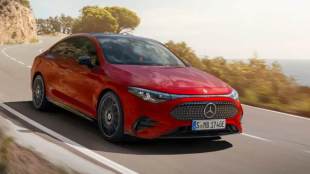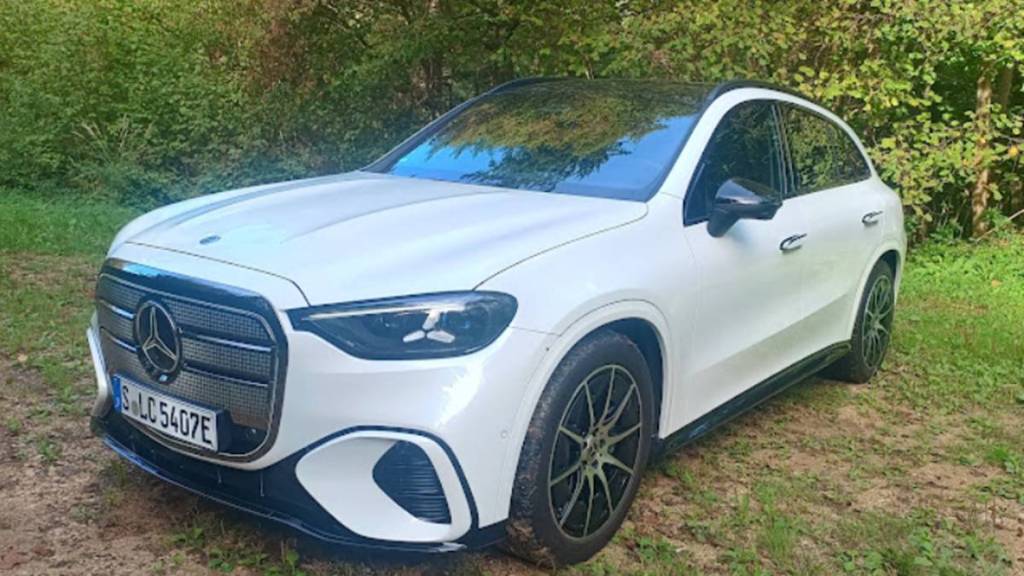
Mercedes-Benz India is betting on its new GLC EV to expand the luxury electric SUV market, with the company expecting the battery-electric version to account for as much as half of the overall GLC line-up’s sales.
The locally assembled (CKD) GLC EV, priced at around ₹80-85 lakh, is also set to strengthen Mercedes-Benz India’s electric vehicle portfolio with bookings expected to start next month and deliveries to commence by end of this year.
“The GLC EV will expand the overall GLC lineup , and I wouldn’t be surprised if EV penetration in the GLC lineup reaches as high as 50%,” Santosh Iyer, MD & CEO, Mercedes-Benz India, said.
Who could buy the GLC EV?
The GLC EV is expected to attract a broader customer base than existing GLC customers looking to switch from an internal combustion engine (ICE) vehicle. This includes existing Mercedes-Benz owners who have bought the EQS or booked the CLA, mass-market EV owners looking to upgrade to a luxury EV, as well as first-time luxury car buyers who want to enter the segment directly with an electric vehicle.
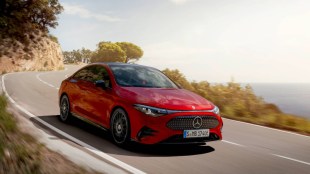
At around ₹80-85 lakh, the GLC EV will currently be Mercedes-Benz India’s most affordable locally assembled EV. The CLA EV, which is priced at around ₹59.5-60 lakh, is not available for sales until next year.
The company’s locally produced EV portfolio currently comprises the EQS SUV which will be joined by the GLC EV.
Mercedes-Benz India locally assembles both the EQS 450 and EQS 580, while its Maybach version continues to be imported as a completely built unit (CBU).
Faster localisation for GLC EV
The upcoming GLC EV also marks a significant reduction in Mercedes’ localisation timeline. The model is being launched in India within six-seven months of its global debut, compared with the company’s usual 12-15 months for local assembly.
“This is the first time a car is being launched within six to seven months of its global debut and being locally produced. The timeline taken for local production has been crunched significantly, which is a record by itself,” Iyer said.
The company expects the GLC EV to benefit from India’s growing preference for SUVs. Mercedes chose to bring the GLC EV ahead of the C-Class EV, as the SUV format is better aligned with the Indian market. The C-Class EV will come to India at some point, Iyer said.
Mercedes-Benz India’s overall EV penetration stood at 14% last quarter. However, the company said availability remains a key factor, with the CLA currently unavailable and the EQS 450 SUV carrying waiting periods through December.
“Demand is quite strong—it’s mostly a matter of how well we can supply it,” Iyer said.
Mercedes does not intend to force a fixed powertrain mix, allowing customers to choose between petrol, diesel and EVs. Diesel currently accounts for around 40% of sales, petrol 40-45% and EVs 10-15%, while plug-in hybrids remain niche.
This journalist was in Germany on an invite of Mercedes Benz.