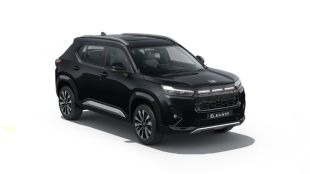
Maruti Suzuki says hatchbacks and sedans continue to have a strong customer base despite SUVs accounting for nearly 57% of India’s passenger vehicle market, with the Dzire, Baleno and Swift continuing to see healthy demand.
“We have a huge set of customers that appreciate models apart from SUVs, like hatches and sedans. Other industry colleagues have also spoken about it that all OEMs need to have a play in hatchback and sedan segments as well,” Partho Banerjee, senior executive officer, marketing & sales, Maruti Suzuki, said.
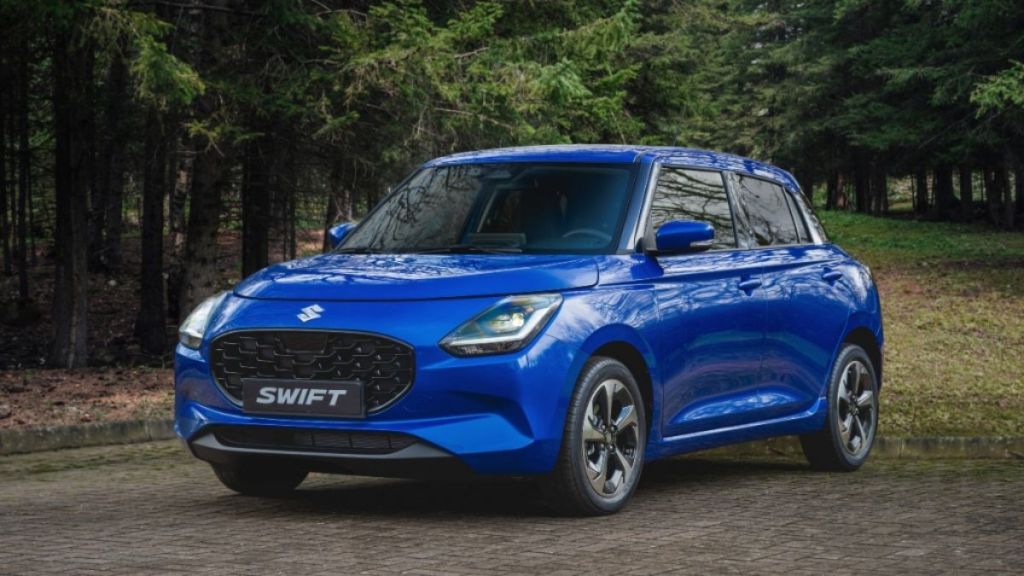
The Dzire continues to be the number one model in the industry, while the facelifted Baleno has recorded around 25,000 units in sales and the Swift is doing around 18,900 units or more every month.
Maruti is stepping up SUV supplies as it closes the gap with the segment leader. The company is currently selling around 56,000 SUVs a month, compared with 61,000 units by the number one OEM.
Maruti has increased monthly SUV supply from around 50,000 units to 56,000 and plans to further ramp up production. It expects production to be in full swing across all models by the end of the year.
The Brezza has more than 95,000 pending bookings, with Maruti supplying over 15,000 units a month so far. The company expects supplies to rise during the festive season. The Brezza booking mix comprises 38% turbo, 40% CNG and 22% 1.5-litre petrol.
Grand Vitara demand is also strong, although supply has been constrained by export commitments. Maruti expects sales to increase in the coming months.
Maruti’s export business has maintained strong momentum despite geopolitical and logistical challenges. The company exported 2.32 lakh units in the first half, up 12.32% from last year, its highest-ever H1 export volume.
It exported 44,219 units in the latest period, up 5% despite logistical hurdles. Between April and August, Maruti accounted for 52% of all passenger vehicle exports from India, exporting more cars than the other 17 brands combined.
“We have done better numbers, we have secured more shipping lines but logistic headwinds will continue. The underlying demand for our models are strong in most export markets, so we will pull through despite underlying hurdles,” Rahul Bharti said.
Japan has emerged as the second-largest export market, while Latin America, Africa, the Middle East and Europe remain key markets. Maruti exports to around 120 countries.
Maruti has more than two lakh pending bookings as of October 1, while network inventory stands at only 17 days. Banerjee said the rainfall deficit is unlikely to affect festive demand.
“The network stock is limited and we have robust bookings, so off hand, the tailwinds are very much there and we will see strong sales going ahead,” Banerjee said.
The company expects the industry to sell around 4.6 lakh vehicles in September, up about 21%, taking H1 volumes to around 26.65 lakh units.
Maruti offers CNG across 14 models, with CNG variants accounting for more than 41% of its total vehicle sales. The company is working with suppliers to increase availability ahead of festive demand.
On costs, Bharti said commodity prices remain a mixed basket, with some materials rising while others are declining. The company is using value engineering to manage costs but may need to pass on part of the increase if commodity prices remain elevated.