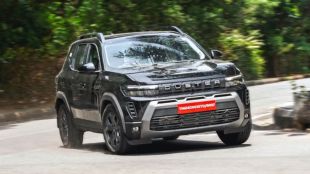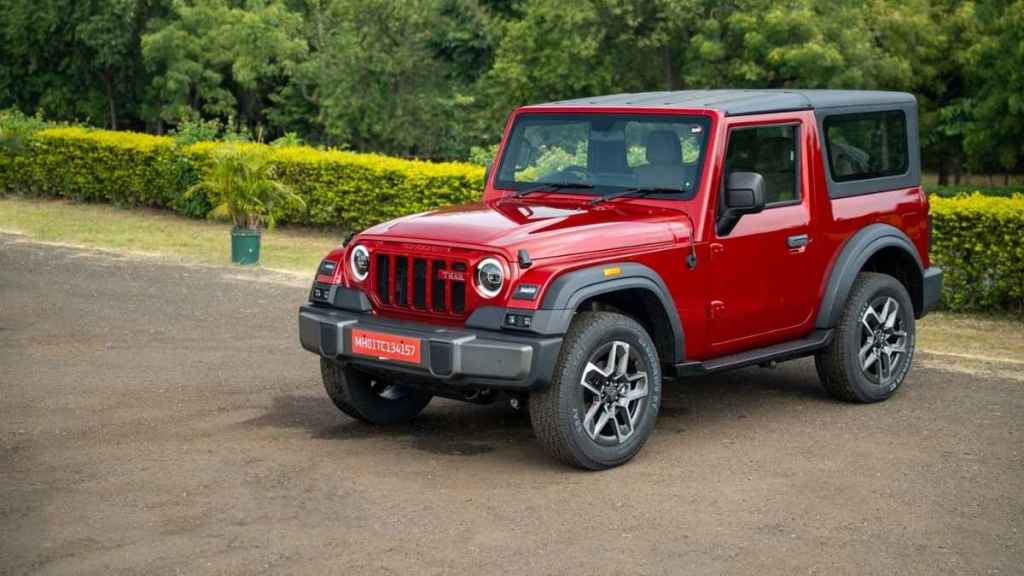
With the launch of the Thar OG, starting at Rs 10.32 lakh (ex-showroom), Mahindra has attempted to refine its iconic 3-door SUV without diluting its raw off-road soul. Driving it across rural highways in Rajasthan and deep into its spiritual home, the Thar Desert, revealed an SUV that is noticeably modernised, though still raw in places.
What works
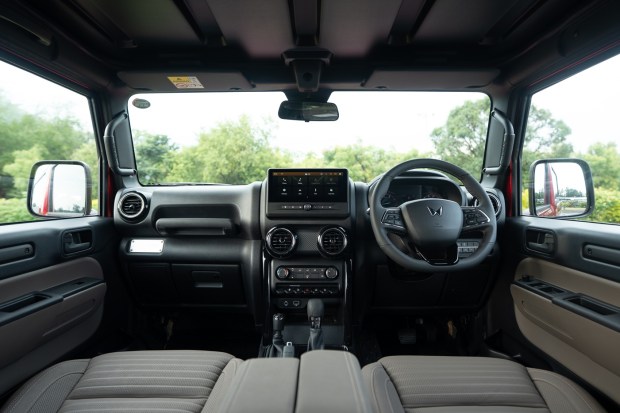
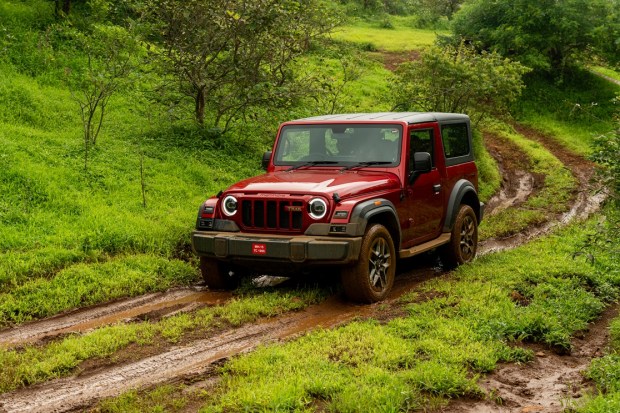
Visually, Mahindra has nailed it. The Thar OG has asserted its own heritage with the new 5-slat body-coloured grille with integrated ‘Thar’ branding – stepping away from Jeep’s 7-slat design. Upgrades like circular LED headlamps with C-shaped DRLs, wireless charging, engine start/stop button, and 19-inch alloy wheels give it a premium touch.
Mechanically, the Thar OG has shifted to a wider track, gets electric power steering, and has taken the DaVinci suspension from the7XO, transforming its low-speed manners – steering this heavy SUV through narrow roads now feels almost effortless.
Ample engine choice
The 1.5-litre diesel (RWD, 6-speed MT) is built for city users seeking lower price points and high fuel efficiency. Then there are the more powerful 2.2-litre diesel (RWD/4WD, 6-speed MT/AT) and the 2.0-litre petrol (RWD/4WD, 6-speed MT/AT) engines.
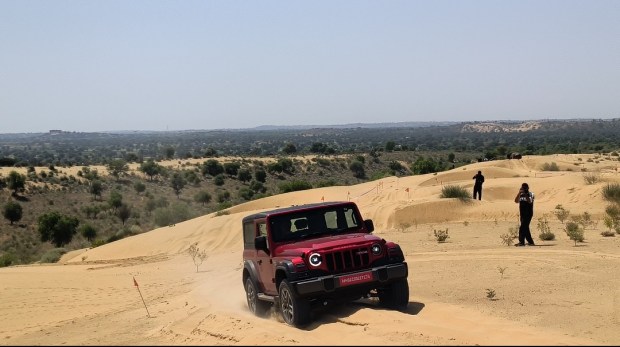
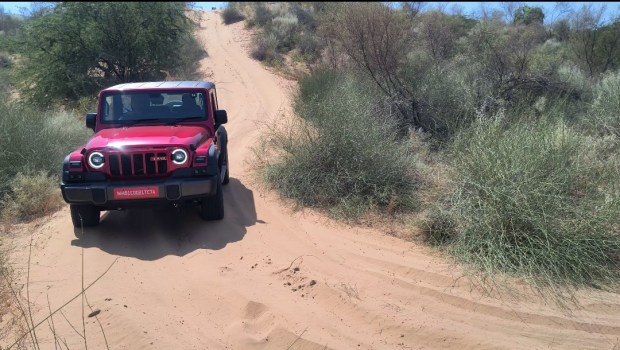
Testing the petrol 4WD 6-speed automatic in the desert dunes highlighted its brute power. Despite weighing over 1,600 kg — nearly half a tonne heavier than a Suzuki Jimny — the smooth transmission shifts and electronic locking rear differential allowed it to charge up massive sand dunes effortlessly.
What’s missing
Despite hardware updates, the Thar OG cannot hide its traditional body-on-frame roots. On rural Rajasthan roads, hitting crude speed breakers at 30-40 km/h caused the suspension to produce a loud ‘thud’ sound, and tossed my luggage around. Above 80-90 km/h, the wind noise becomes pronounced, and passing over road humps at 100 km/h momentary made the Thar OG lose traction.
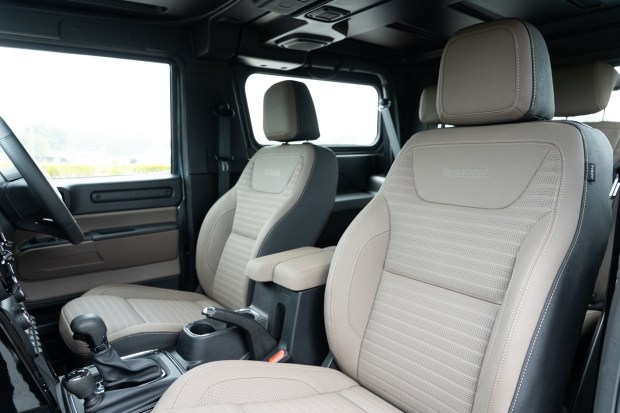
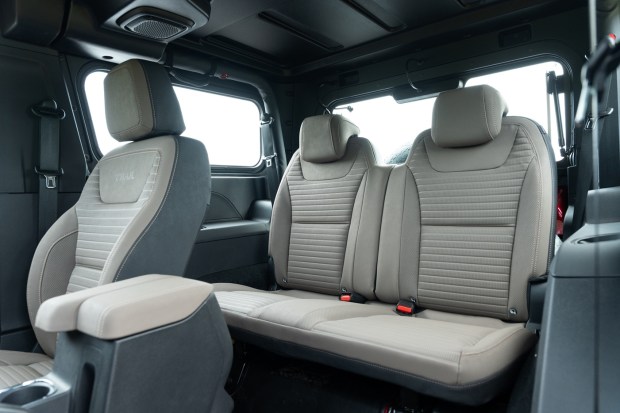
In addition, stepping into the second row is awkward, making this strictly a two-adult SUV. Boot space is minimal, and this means you have to place your luggage on the rear seat during long road trips, and the glovebox is way too tiny.
The Thar OG is sold exclusively as a hardtop, with no convertible soft-top option, and the petrol will be heavy on pocket – my test unit averaged 8-9 km/litre across mixed driving conditions.
Top-spec variants touching Rs 20 lakh on-road lack basics like automatic climate control, ventilated or powered seats, ADAS, auto-dimming IRVM, and electronic parking brake. Mahindra engineers justifed this by stating the Thar’s personality demands manual controls for a more engaging, hands-on driving experience.
The final verdict
It is impossible to ignore the baggage the Thar carries on Indian roads — a reputation tarnished by aggressive driving behaviour by some drivers. But evaluating the Thar OG purely as an automotive product reveals a machine that is an emotional purchase — unmatched in presence, unstoppable in the dunes, and significantly improved for everyday driving.