JSW Motors is preparing a multi-pronged entry into India’s passenger vehicle market, with three SUVs spanning plug-in hybrid, petrol-hybrid and electric powertrains. The strategy reflects the company’s intent to follow the current trend which aims to go beyond a single powertrain portfolio and cater to customers with different driving patterns and charging requirements. The newly formed SUV brand will will unveil its first SUV on December 4 and is likely to announce pricing as well for the first model that will come with a plug-in hybrid powertrain.
The India-bound SUV range is being readied developed in association with China’s Chery Group, adapted for local requirements, sources confirmed. Series production will take place at JSW’s Bidkin plant in Maharashtra, which has a reported annual installed capacity of 3.5 lakh vehicles.
Combat leads the charge with plug-in hybrid power
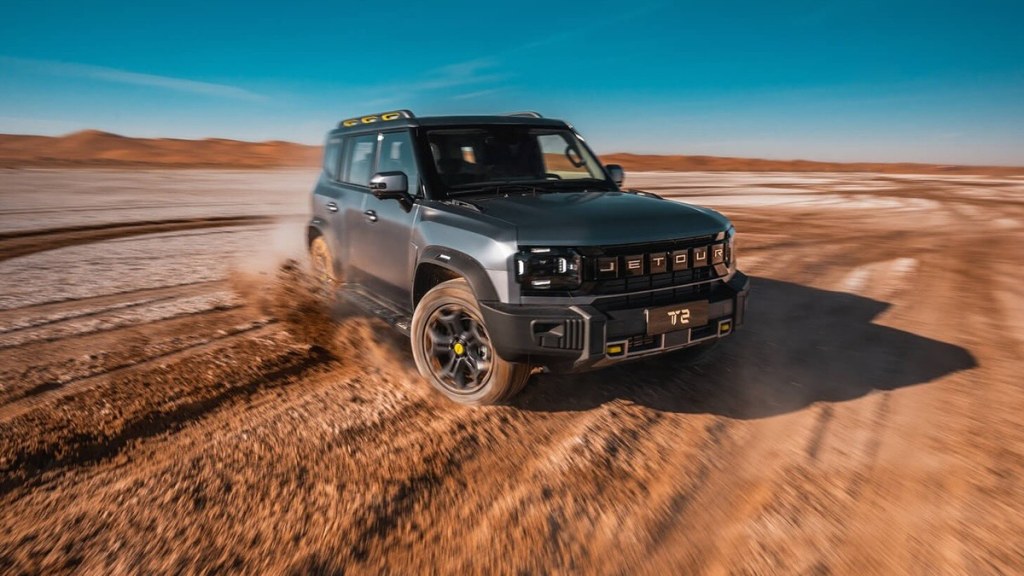
The first model, expected to be called the JSW Combat, will be based on Chery Group’s Jetour T2, a rugged, boxy SUV sold in international markets. Its expected plug-in hybrid electric vehicle (PHEV) configuration will combine a petrol engine, electric motors and a rechargeable battery.
The approach gives JSW an entry point into the SUV market without relying solely on charging infrastructure or pure-electric adoption. Measuring around 4,785 mm in length, the Jetour T2 has a 2,800 mm wheelbase, placing it in the larger lifestyle SUV category. Potential rivals include the MG Hector Tomahawk, offered with plug-in hybrid or electric powertrains, and the Mahindra XEV 9S, a pure electric SUV.
iCar V23 targets the electric SUV space
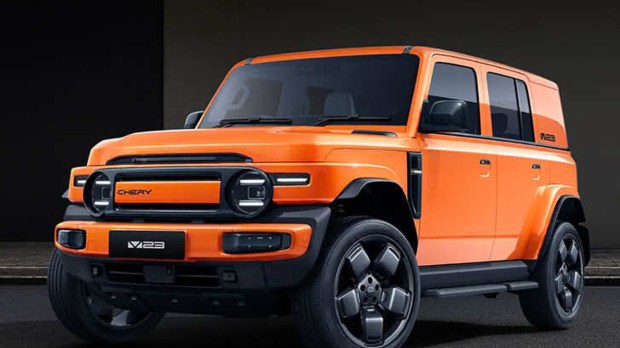
The second model is expected to be based on the Chery iCar V23, which combines retro-inspired styling with a boxy silhouette and a feature-rich cabin. Unlike the Combat, it is expected to debut as a battery electric vehicle, although a plug-in hybrid version is also under consideration.
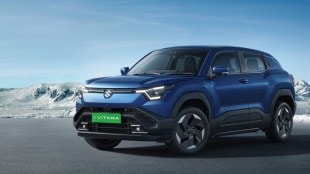
The global iCar V23 is slightly smaller than the Combat. It measures 4,220 mm in length and has a 2,735 mm wheelbase. Its compact, upright proportions could position it against the Mahindra BE 6, Hyundai Creta Electric and Maruti Suzuki e Vitara. A potential contest with the upcoming Mahindra Thar EV will depend on the latter’s final positioning and specifications.
Jaecoo J5 brings hybrid choice
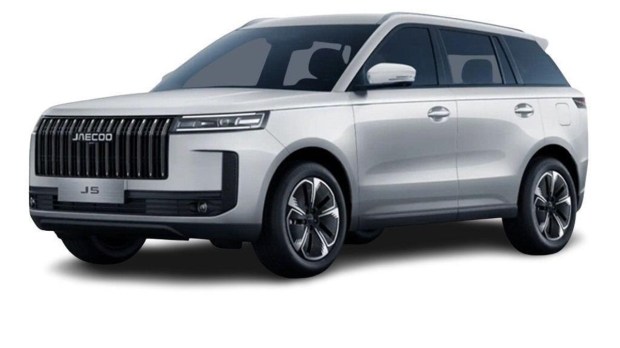
The third SUV is expected to be based on the Jaecoo J5, initially with a petrol-hybrid powertrain, followed by a fully electric version. The J5 features a vertically oriented touchscreen infotainment system and Sony surround sound. At 4,380 mm long, with a 2,620 mm wheelbase, it will be aimed at multiple mid-size SUVs including the Creta, Grand Vitara, Duster and even models like the Tata Harrier and Mahindra XUV7XO. The petrol-hybrid version would give buyers another option for buyers seeking electrification without committing to a fully electric vehicle.
Localisation and retail will shape the strategy
In order to start with a competitively priced model range, JSW is prioritising domestic manufacturing and supplier localisation while leveraging global vehicle platforms and technologies. Sources said the company is engaging suppliers including UNO Minda, Bridgestone, Spark Minda and Pilkington, alongside vendors linked to MG Motor India. The companies did not confirm or deny the developments, and the planned localisation levels remain unclear.
The company is also building a retail network separate from JSW MG Motor India, its existing joint venture with China’s SAIC Motor. Dealership appointments have begun, initially targeting metropolitan markets such as Mumbai and Delhi. JSW is also planning experience showrooms, with at least four centres earlier reported to be under consideration in Mumbai, New Delhi and Ahmedabad.
The December 4 unveiling should offer greater clarity on the models, launch sequence and retail plans. Ultimately, JSW’s multi-powertrain strategy will be tested by pricing, localisation, product differentiation, service reach and its ability to build consumer trust in a new passenger vehicle brand.