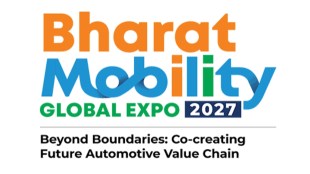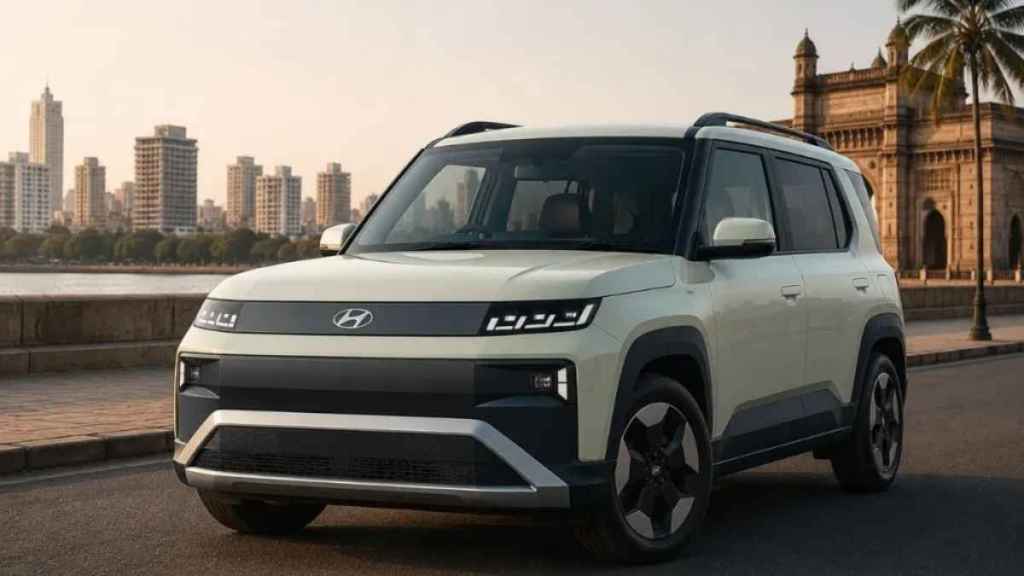
Hyundai Motor India is set to enter the mass-market electric vehicle (EV) segment with an all-new compact SUV by January 2027, a model internally codenamed HE1i that is likely to be called Ioniq P. The new electric SUV could also be one of the key attractions at the upcoming Bharat Mobility Global Expo, which begins on February 4 in New Delhi.
During its third-quarter 2026 earnings conference call with analysts on October 29, Hyundai Motor Company outlined its regional product plans and said it would introduce the Ioniq P in India following the Bayon. However, Hyundai Motor India has yet to officially confirm the name, and the management commentary did not explicitly link the Ioniq P nomenclature to the HE1i project.
The likelihood of the name being adopted has increased after Hyundai trademarked Ioniq P in India. The automaker initially used numerical suffixes for its global Ioniq electric vehicle range but has more recently moved towards alphabet-based naming, with the Ioniq V recently introduced in China.
The upcoming SUV will be central to Hyundai’s efforts to expand its EV presence in India, where passenger electric vehicle sales have risen nearly 90% so far in FY27. The company currently sells the Creta Electric and Ioniq 5 in the country.
Tarun Garg, managing director of Hyundai Motor India, has said the company aims to bring its EV penetration closer to the industry average in FY28, driven by a mass-market electric vehicle developed specifically for India. Hyundai has not disclosed a sales target for the new model.
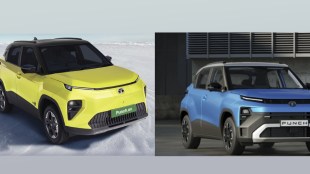
Positioned below the Creta Electric, the compact SUV is expected to compete with models such as the Tata Punch EV, Nexon EV and MG Windsor, broadening Hyundai’s reach among buyers seeking more accessible electric mobility. The vehicle is also expected to be offered with multiple battery options, although technical specifications have not been disclosed.
Battery localisation will be a key factor in the new model’s cost competitiveness. The SUV will initially use imported battery cells, with local sourcing planned at a later stage. Hyundai had intended to source locally manufactured cells through its partnership with Exide Industries, however there are talks that this exercise will start only next year.
Hyundai has reiterated its $15.5 billion investment commitment to India and plans to increase localisation across its operations, including battery cells. The company aims to raise local content from around 81% currently to 92% over time.
The launch of a more affordable electric SUV is expected to strengthen Hyundai’s position in India’s rapidly expanding EV market while supporting its ambition to bring electric vehicle penetration closer to the industry average by FY28.