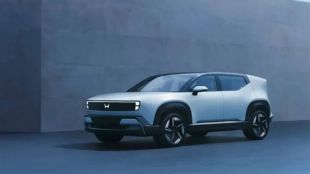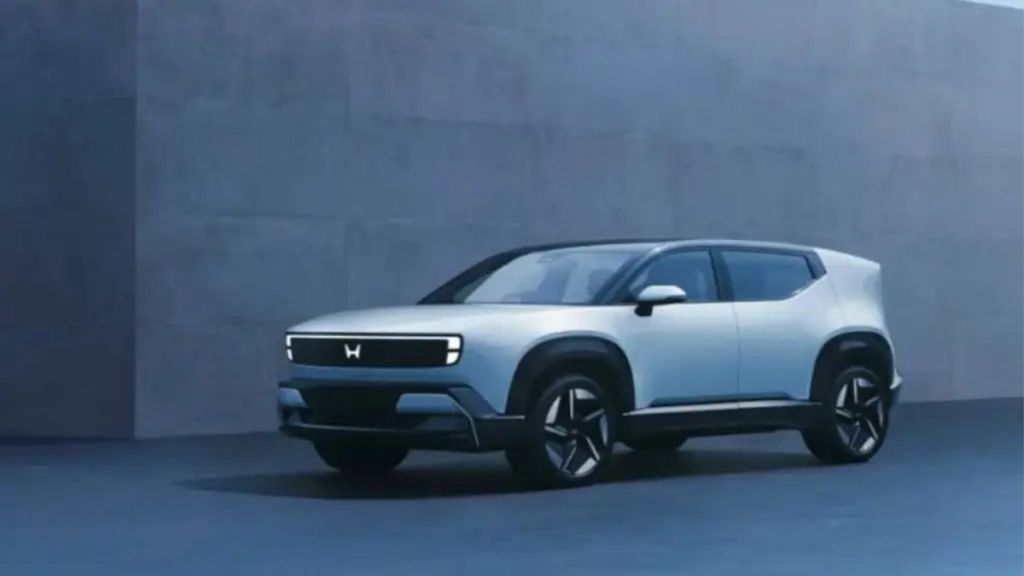
The new Honda Alpha SUV will debut on December 2 in India. This new SUV will come with electric powertrain and was earlier known as Honda 0 Alpha in concept form. The new Honda electric SUV is expected to be manufactured at Honda Cars India’s Tapukara plant in Rajasthan, serving both domestic and export markets.
The Honda Alpha will compete in the increasingly crowded mid-size electric SUV segment against models such as the Hyundai Creta Electric, Mahindra BE 6, Maruti Suzuki e Vitara, Toyota Urban Cruiser Ebella and the upcoming Tata Sierra EV.
Toshiyuki Yanagisawa, president and CEO, Honda Cars India, said “With India serving as the global production base for this model in future, it is an important step in Honda’s electrification journey and reflects our strong commitment to the Indian market,”
Localisation key to pricing
Local manufacturing and component localisation will be crucial to Honda’s ability to price the Alpha competitively. Honda is understood to be working on localising key components and controlling battery costs to avoid a pricing disadvantage.
Details of the Alpha’s powertrain remain limited. Honda has previously indicated that the SUV will offer two battery pack options using lithium iron phosphate (LFP) chemistry. Battery capacities are expected to range from 65 kWh to 75 kWh, with the model likely to initially feature a single-motor, front-wheel-drive configuration.
A push to revive market share
The Alpha will be an important addition to Honda’s India portfolio as the company looks to strengthen its position in a market where its share has declined in domestic and export segments.
Honda Cars India reported total sales of 8,082 units in October 2026, comprising 7,609 units in domestic sales and 473 units in exports. Domestic volumes rose 19% year-on-year from 6,394 units, while combined sales fell 23.16% due to a sharp decline in overseas shipments.
Exports dropped 88.53% year-on-year from 4,124 units in October 2025. On a sequential basis, domestic sales grew 70.41% from 4,465 units in September, while exports declined 81% from 2,490 units.