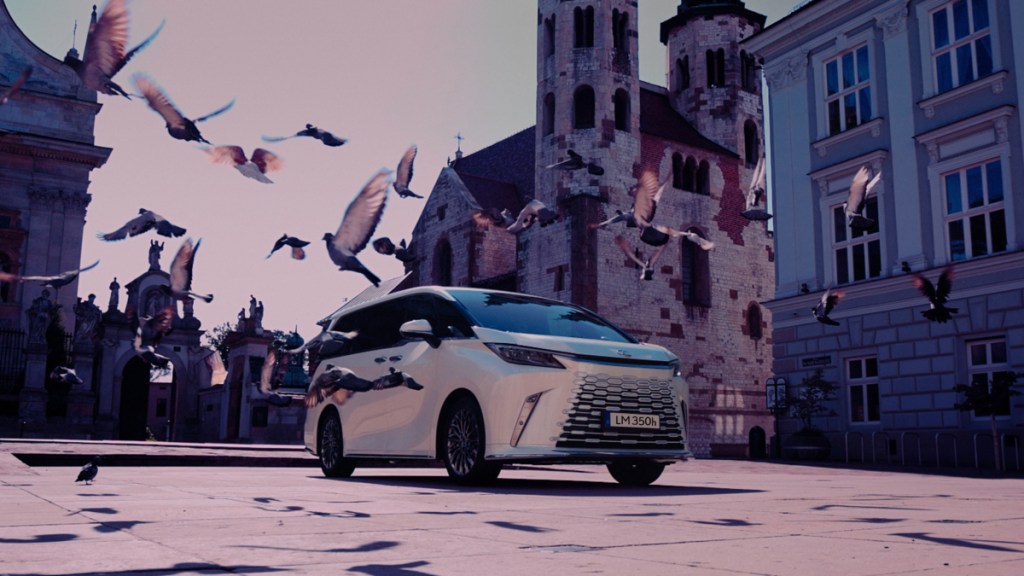
Lexus has announced the launch of the 2024 LM 350h in India at a starting price of Rs 2.00 crore (ex-showroom). Essentially a rebadged Toyota Vellfire, the luxury MPV is available in two iterations– a seven-seater and a four-seater– the latter priced at Rs 2.5 crore (ex-showroom).
The luxury arm of Toyota, first launched the LM 350h in India in 2020 and this is the first noticeable update for the MPV. For 2024, Lexus LM 350h has undergone some styling and feature updates, redefining its purpose and significance as a ‘Luxury Mover,’ from which it also derives its name.
Lexus Lm 350h: Design & features
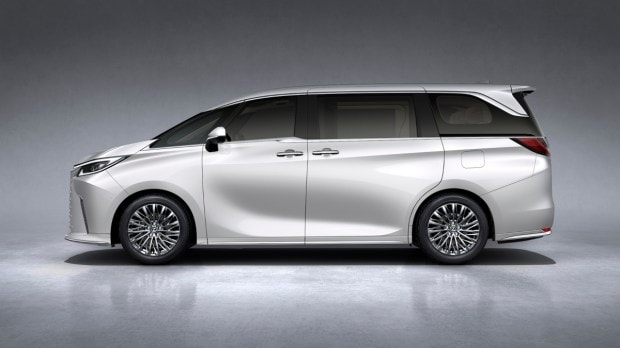
The most prominent exterior update is a brand new front fascia featuring slim LED headlamp clusters and boomerang-shaped DRLs flanking a sleek radiator grille. A faux grille impression courtesy of 3-D elements gives the MPV an ominous presence. The side profile remains identical to its Toyota sibling with disting shoulder line, a flat roofline, and a large greenhouse area.
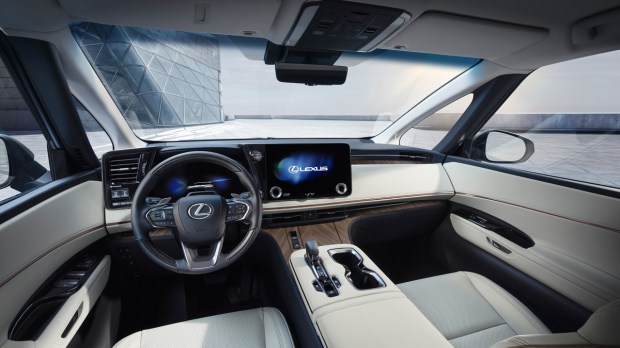
The cabin of LM 350h galores with features such as infrared ray sensor for climate control, multi-position tip-up seat, power seat long slide rail, and frequency sensitive piston valve. It also boast first-in-Lexus creature comforts such as armrest and Ottoman heaters, separate front/rear audio output system, rear climate concierge, see-saw handle switch power sliding door switch, and a removable remote panel which controls all functions for rear-seat occupants.
Lexus also offers a wide array of active safety features including dynamic Radar Cruise Control, lane departure alert with steering assist (LDA), lane tracing assist (LTA), automatic high beam (AHB), adaptive high beam system ( AHS), blind spot monitor (BSM), digital inside rear view mirror (E-Mirror) and safe Exit assist with door opening control (SEA).
Lexus LM 350h: Powertrain
Powering the Lexus LM 350h is 2.5-litre inline 4-cylinder hybrid powertrain which generates a peak output of 246 bhp. The powertrain features a low-resistance nickel-metal hydride battery that draws energy from the ICE engine and delivers to the twin-electric motor. The front gets a 134kW motor and the rear gets a 40kW unit which gets activated in low-grip or acceleration scenarios.